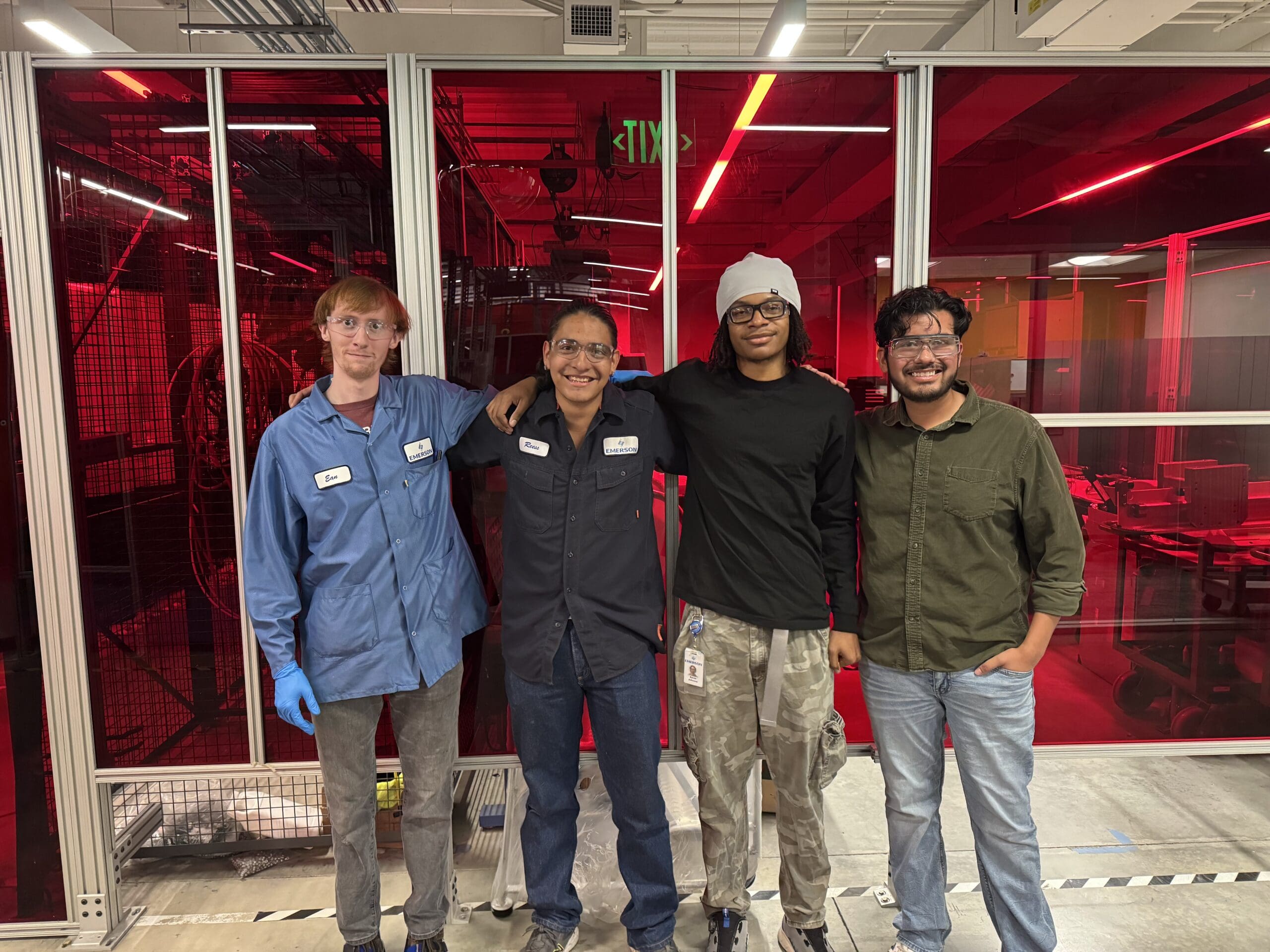
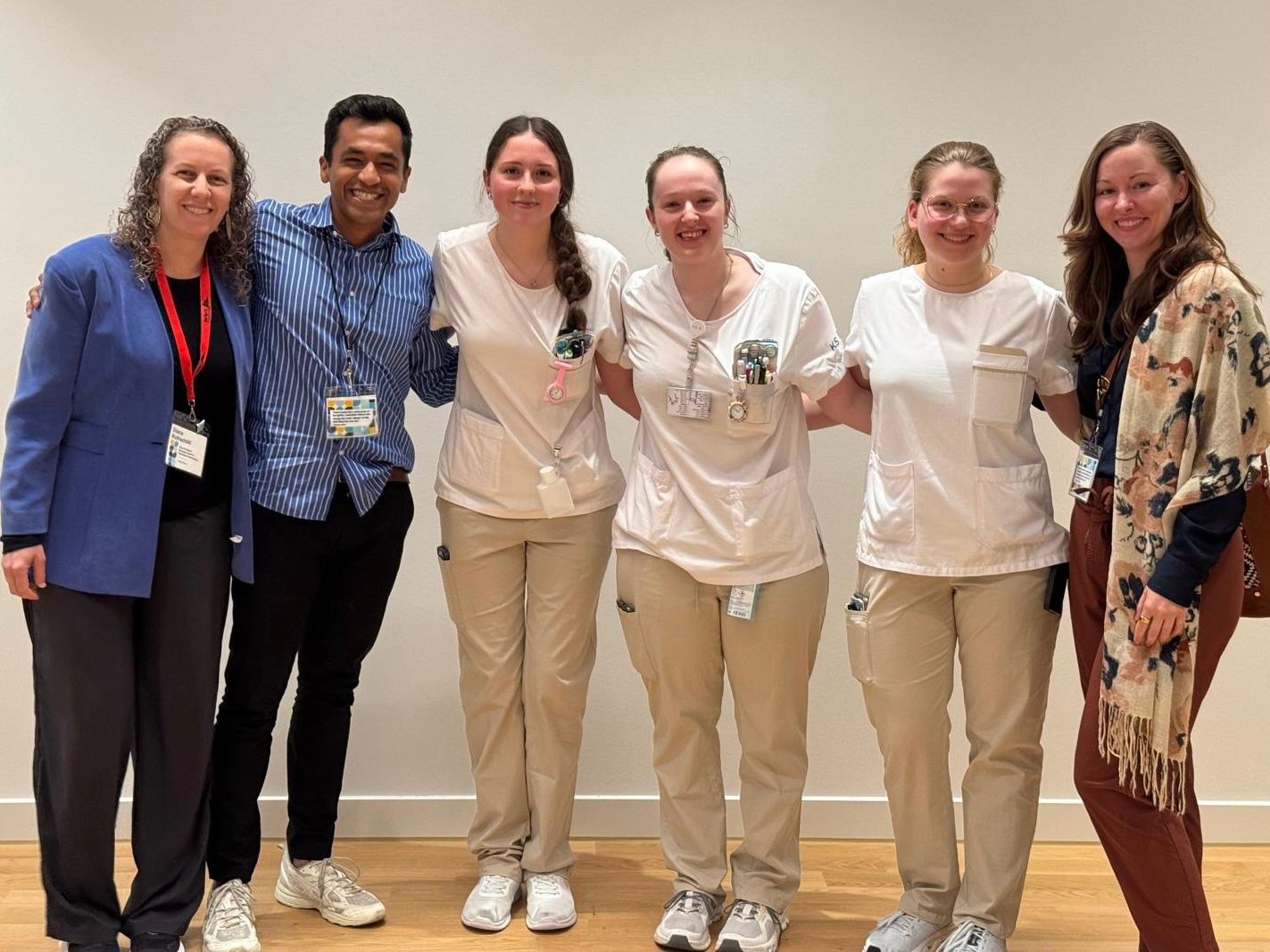
For decades, the word “apprenticeship” has been tightly associated with construction sites and skilled trades. That image is changing fast. As Inside Higher Ed recently reported in the article “The Apprenticeship Glow-Up” by Sara Weissman and Colleen Flaherty, apprenticeships are expanding well beyond their traditional roots and into high-growth sectors like health care, advanced manufacturing, technology, and business services.
This shift is not cosmetic. It reflects a deeper transformation in how employers, educators, and workforce leaders are rethinking how talent is developed in a rapidly changing economy.
Apprenticeships in a Changing Economy
Employers across industries face a familiar challenge: persistent talent shortages combined with roles that are evolving faster than traditional education systems can adapt. Meanwhile, students and early-career workers are navigating rising costs, uncertain job pathways, and increasing pressure to make the “right” postsecondary choice.
Apprenticeships offer a different approach. They integrate paid work with structured learning so individuals develop skills in real time, aligned directly to employer needs. In the Inside Higher Ed article, examples from community college partnerships illustrate how apprentices are gaining hands-on experience with robotics, electromechanical systems, health care operations, and other in-demand skills while earning credentials and college credit.
This model is not limited to one sector or region. It is proving flexible enough to meet workforce needs in industries where demand is high and talent pipelines are thin.
Moving Past Outdated Perceptions
Despite this progress, apprenticeships are still often misunderstood. Too many people see them as narrow or outdated. That perception no longer matches reality.
Today’s apprenticeships are increasingly technical, data-driven, and embedded in complex organizations. They support roles that require problem-solving, digital fluency, adaptability, and continuous learning. These are precisely the skills employers say they need most, especially as AI and automation reshape entry-level work.
By expanding into sectors like health care and technology, apprenticeships challenge the assumption that meaningful career preparation must happen before work begins. Instead, learning and working happen together.
Why This Moment Matters
The growth of modern apprenticeships matters for three reasons.
First, they align learning with real demand. Apprenticeship programs are built around employer-defined skills, not abstract credentials. That makes them responsive to change and relevant to today’s labor market.
Second, they expand access. Apprentices earn wages while they learn, reducing financial barriers and opening doors for individuals who may not see traditional higher education as affordable or attainable.
Third, they offer a strategic workforce solution. As highlighted in “The Apprenticeship Glow-Up,” employers are increasingly turning to apprenticeships not as a pilot or side program, but as a core talent strategy.
A Path Forward
At CareerWise, we see this moment as an opportunity to modernize how the United States develops talent. Apprenticeships are no longer an alternative pathway. They are becoming a central feature of a workforce system built for speed, equity, and relevance.
The future of work demands learning models that evolve alongside technology and industry. Apprenticeships meet that challenge by design.