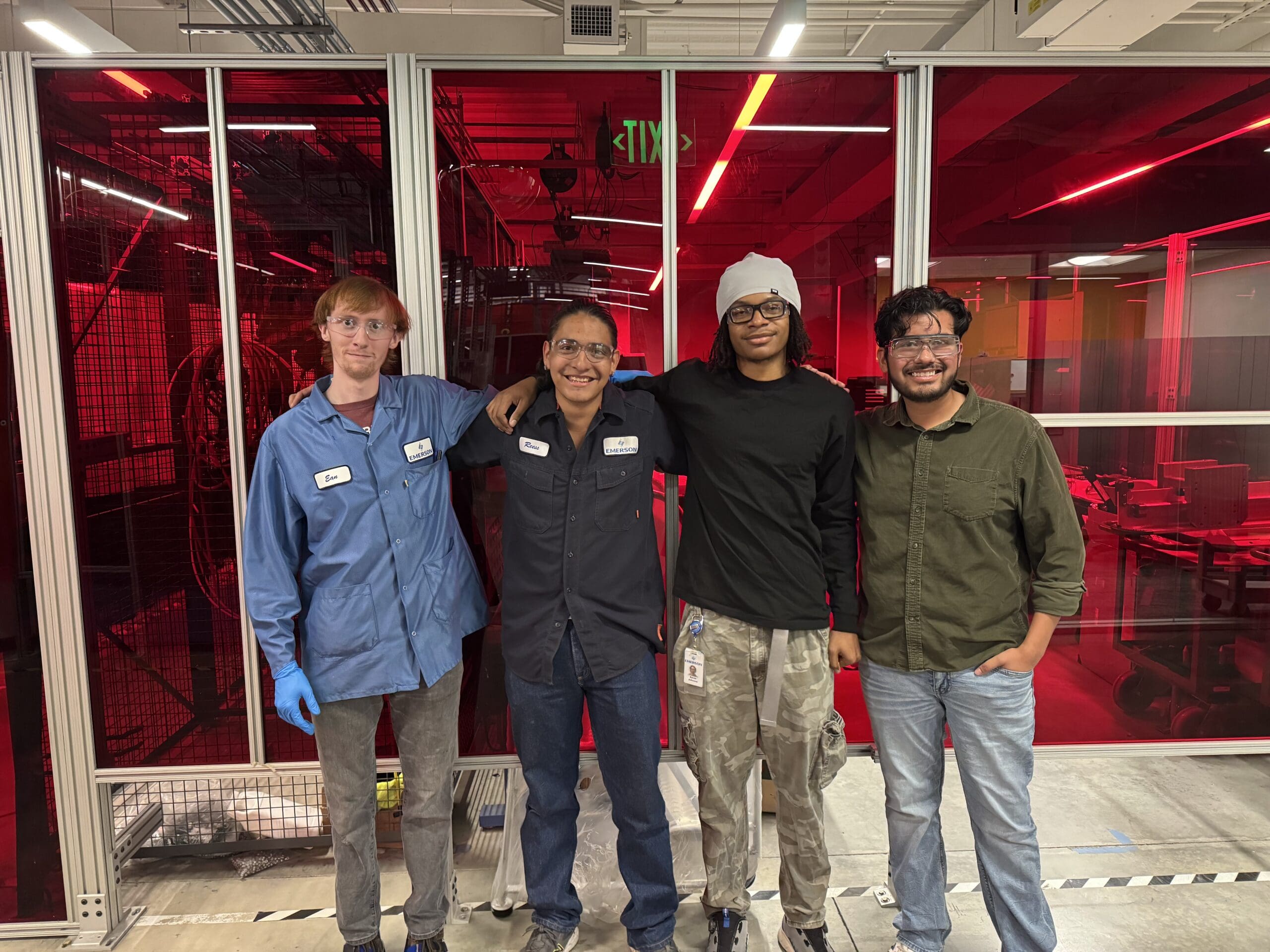
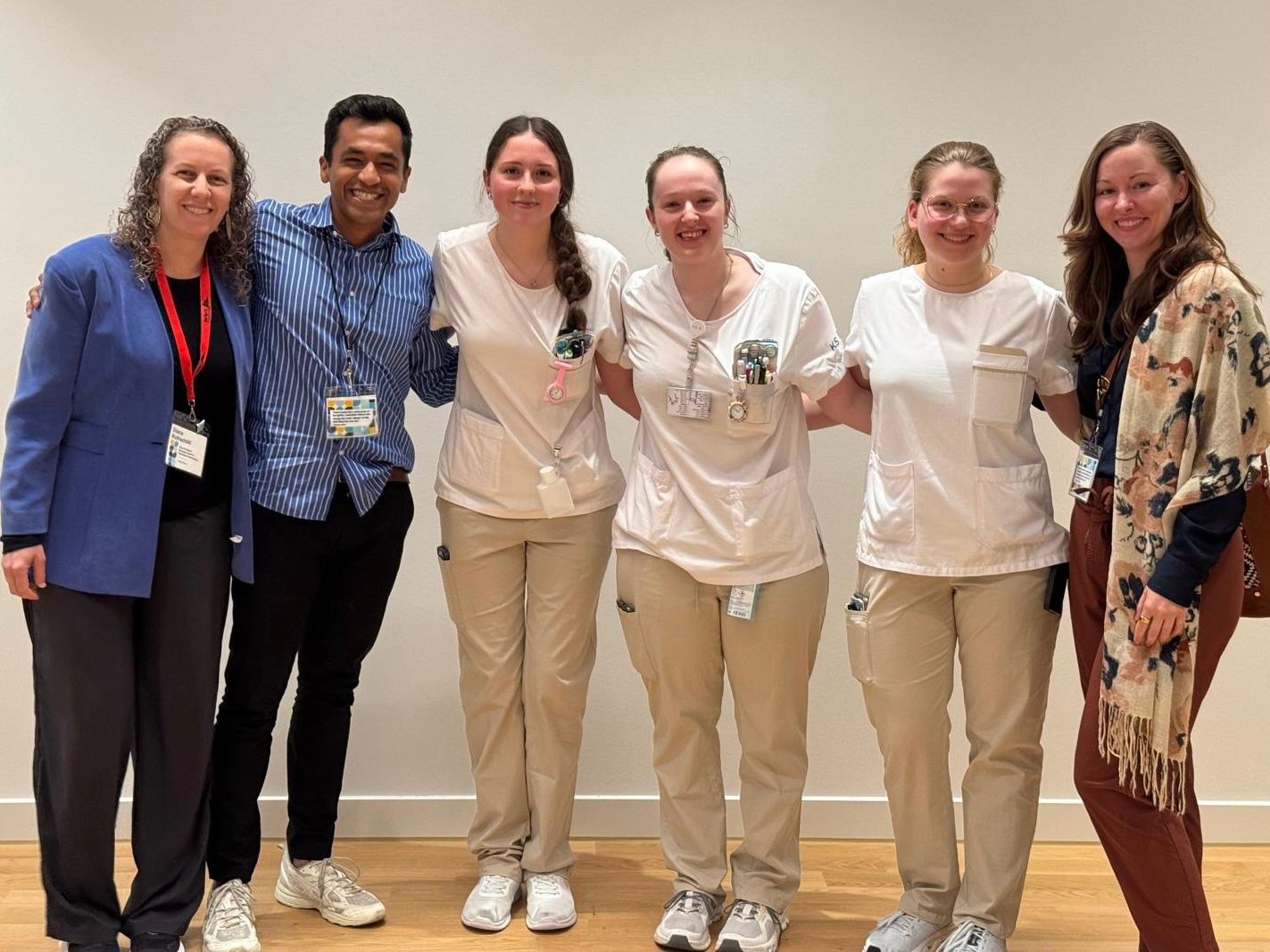
“At CareerWise, we focus on what we call the Launchpad Decade — the years from high school through early adulthood that determine whether a young person builds momentum toward economic mobility or falls behind. In the AI age, we cannot leave young people to navigate debt, disruption, and credential confusion alone. This is the window where real work, real learning, and real opportunity change lives.” – Brent Parton, President of Careerwise testifying in from to the US House Subcommittee on Education and Workforce Development
The “Launchpad Decade” refers to the period of time in an individual’s early adulthood when the foundation for their long-term career and economic outcomes is laid. What happens during this period sets trajectories that are difficult to change later. Below is a clear, practical way to understand what defines the Launchpad Decade and why it matters.
Definition: Launchpad Decade
The high-stakes ten-year period beginning in late adolescence during which that young adult’s future earnings potential, foundational skills, work habits, and professional network are formed, refined, and expanded. During this period, the quality and integration of education and professional experience sets a trajectory for economic mobility that is extremely hard to modify in future years.
Leaders from all sectors – employers, non-profits, and government, would be wise to invest programmatic resources and reshape policies to support the Launchpad Decade for young adults in their communities. When considering how to engage, remember the following:
- Career trajectories are set early—and hard to change
The skills, credentials, and early work experiences gained during this decade strongly influence lifetime earnings, career stability, and access to advancement Throughout their apprenticeship, 93% of completed apprentices remain employed in the pathway their apprenticeship was or have enrolled in postsecondary education. Young people discover what their passion is and discover how to follow through with their career trajectories. Early misalignment between work and learning compounds over time, making recovery costly and unlikely. - The stakes are higher than ever: Affordability, Anxiety, and AI
Young people are navigating the Launchpad Decade under three converging pressures. Affordability: over 50% of young adult households (ages 16–24) are cost-burdened, meaning they spend more than 30% of their income on housing and utilities alone.Anxiety: 50% of young adults (18–24) report symptoms of anxiety or depression, with financial instability as a primary driver. AI disruption: more than 30% of workers could see half their tasks impacted by AI. This is no longer a stable transition period. It is a high-risk, high-variability decade that demands intentional structure. - Entry-level work is changing faster than education systems
Entry-level roles are no longer defined by routine tasks or linear ladders. Employers increasingly expect employees to effectively display problem-solving, digital fluency, communication, and adaptability skills. Recently, Indeed reported, “More than a quarter (26%) of jobs posted on Indeed in the past year could be “highly” transformed by GenAI. But the majority (54%) are likely to be “moderately” transformed, and their evolution will depend on how quickly businesses adopt GenAI, and how well workers adapt and reskill.” Young people recognize both the opportunity and risk: 70% see AI as a chance to learn new skills, while more than 55% are concerned about job security. The result is a generation entering the workforce without clear, stable pathways. - Not all experience is equal—relevant experience drives mobility
Work alone is not enough. The type of work matters. Many young people work out of necessity: 65% of CareerWise apprentices contribute to family expenses and 66% are saving for continued education. But jobs disconnected from career pathways do not build career momentum and upward economy mobility. In contrast, structured, career-aligned work experiences build technical and professional skills, provide exposure to real careers, develop networks, and increase confidence. The Launchpad Decade is not just about working. It is about working in ways that compound opportunity. - Apprenticeship fits the needs of this decade
Youth apprenticeship directly aligns with the realities of the Launchpad Decade by integrating paid work, employer-aligned training, and structured learning. The outcomes are clear: 93% of apprentices are employed in their field or continuing education, 88% report increased confidence planning their future, and 93% know what skills they need to succeed. Apprenticeship is not an alternative to college. It is a system that connects learning and earning in ways traditional pathways do not. - Employers are not downstream—they are central
Employer engagement is foundational. When employers help design and deliver training, skills align with real labor market demand, young people gain relevant experience, and talent pipelines develop earlier. CareerWise data reflects this: 85% of employer supervisors affirm the model’s value and 84% say apprentices contribute meaningful work. Scaling impact requires employer leadership, not just participation. - Early investment delivers long-term returns
CareerWise apprentices have already earned more than $37.6 million in wages during their participation since CareerWise launched in 2016, demonstrating immediate economic impact while building long-term career momentum. The Urban Institute’s research reinforces this value: employers see an average return of $1.44 for every $1 invested in apprenticeship, driven by increased productivity and stronger retention
Success depends on aligned systems
The Launchpad Decade cannot be ignored or continue to receive insufficient investment. Schools must align learning with work, employers must open doors earlier, and workforce systems must support quality and scale. CareerWise’s decade of work shows that scale depends on reducing employer risk, defining quality, and establishing clear governance across partners. When systems move together, early opportunity becomes durable success, not only for each individual young adult, but also for our economy as a whole.