The future of work is here, and it’s arriving faster than most employers are ready for. The unprecedented combination of artificial intelligence, economic uncertainty, and rising education costs are reshaping the first rungs of the career ladder for this just entering adulthood. At CareerWise, we see these forces as the Three A’s: AI, Anxiety, and Affordability — the defining challenges shaping the next generation’s workforce journey.
AI: Automation and AI are not just changing jobs—they are reducing some entry-level roles while fundamentally transforming others. The roles that remain increasingly demand digital fluency, problem-solving, communication, and adaptability. Job postings themselves reflect this shift: nearly half of all skills are being transformed by AI, and demand for AI-related capabilities has surged in recent years.
This creates a new baseline expectation: workers hired into traditional full-time roles are expected to arrive with both technical and durable skills, not develop them on the job. The good news is that students who advance through an apprenticeship program learn how to work alongside technology, and employers who host apprentices play a more active role in shaping that learning in real time. Additionally, apprentices learn the foundational critical thinking, adaptability, and curiosity necessary to continue to explore changing technology and adapt their skill base throughout their career.
Anxiety: Young people are not just anxious about the future—they are responding to a lack of clear, reliable pathways into stable careers. Traditional signals like degrees no longer guarantee outcomes, and early work experiences are often disconnected from long-term opportunity.
Without structured, career-aligned experiences, young people are left to navigate a fragmented system—balancing work, education, and financial pressure without a clear line of sight into where it leads. This uncertainty is a primary driver of rising anxiety among young adults.
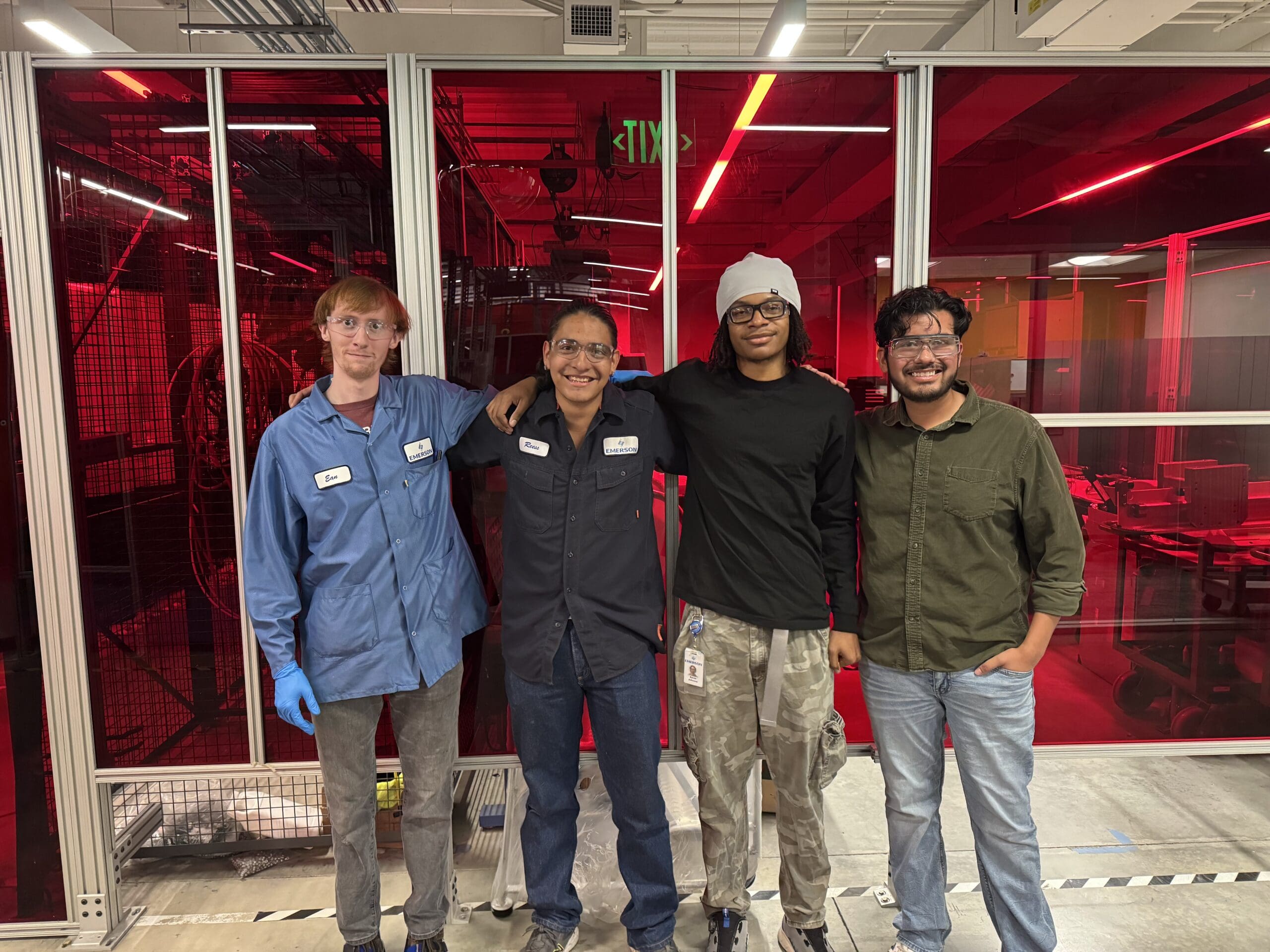
Apprenticeships and paid work-based learning address this directly by providing clear pathways, mentorship, and real-world experience tied to actual careers, giving young people both direction and agency early on.
Affordability: The cost of postsecondary education and training continues to rise, while young people are increasingly expected to finance their own pathways. Many are working not to gain experience, but to meet immediate financial needs—often in roles that do not advance their long-term careers.
This creates a structural tradeoff: earning income today at the expense of building momentum for tomorrow. Apprenticeship removes that tradeoff by allowing young people to earn wages while gaining relevant, career-aligned skills—reducing reliance on debt while accelerating entry into high-quality careers.
The solution: Redesigning the Launchpad Decade
At CareerWise, we focus on the Launchpad Decade — the critical window from high school through early adulthood where career trajectories are set and economic mobility is either accelerated or stalled.
Addressing the Three A’s requires more than incremental change. It requires redesigning how early careers work:
- Integrating work and learning so young people build skills in real-world settings, not in isolation
- Engaging employers as co-designers of training to ensure alignment with actual labor market demand
- Building durable skills like communication, adaptability, and problem-solving alongside technical fluency
- Removing financial barriers by enabling young people to earn wages while gaining experience
This is not about adding programs. It is about building a system where early experience compounds into long-term opportunity.
A call to action for employers and system leaders
The Three A’s are not problems to manage—they are signals that the current system is misaligned with how careers now begin. Employers, educators, and policymakers must act to redesign pathways, integrate technology and human skills, and create earlier access to meaningful work.
When early career pathways are structured, aligned, and accessible, young people do not just navigate change—they are positioned to lead in a workforce being transformed in real time.