Ask Why, Expand the Tent, Lead from the Top: Lessons from the Future Ready Apprenticeship Center states in Denver
By: Ryan Gensler, CareerWise USA Executive Vice President
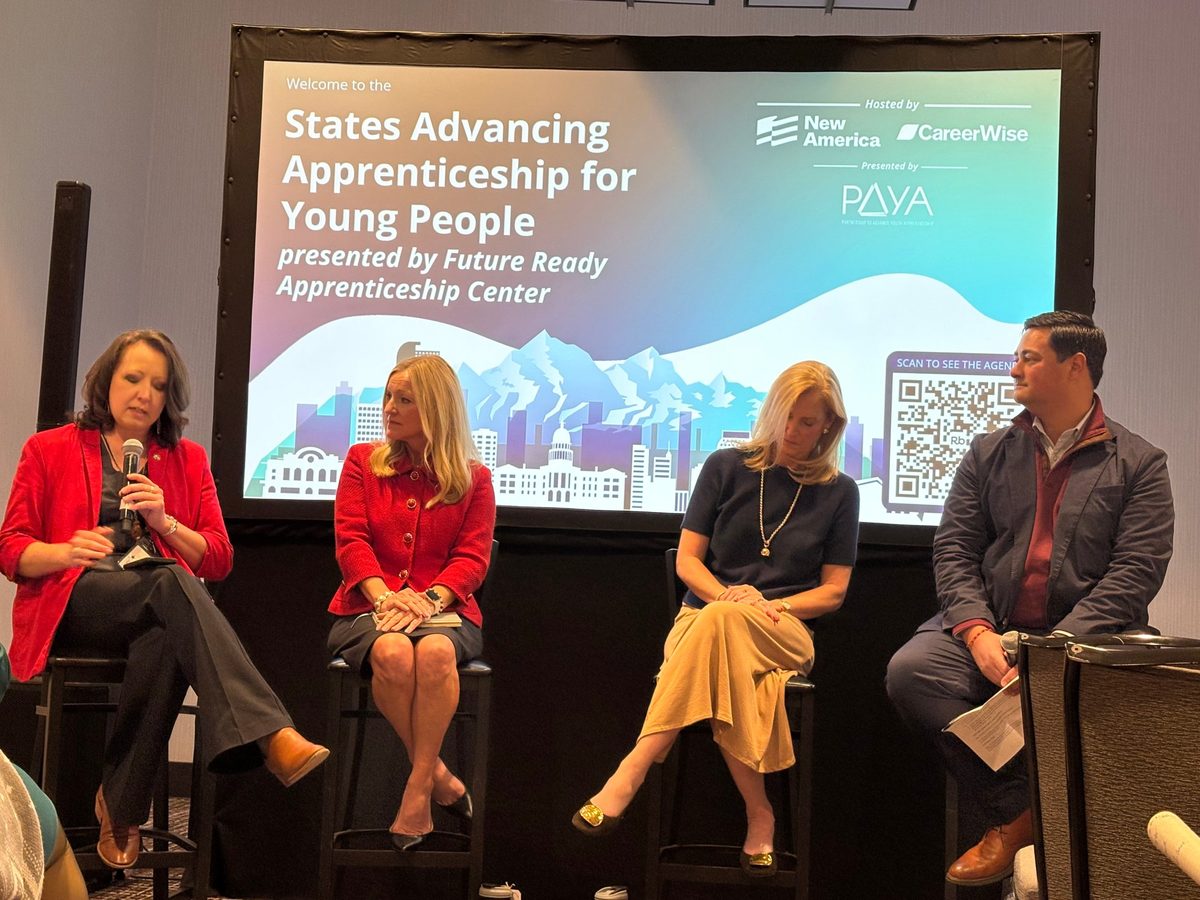
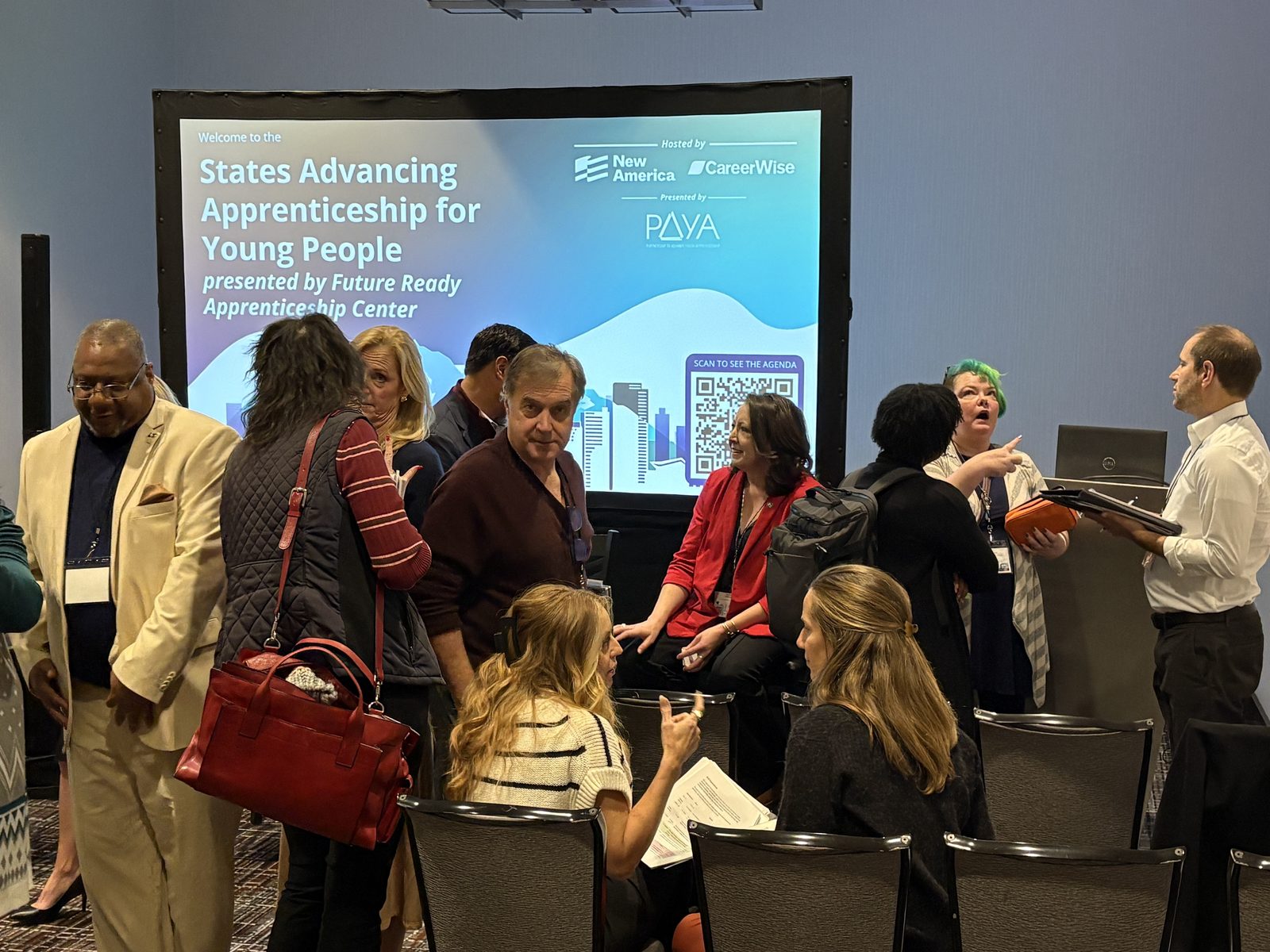
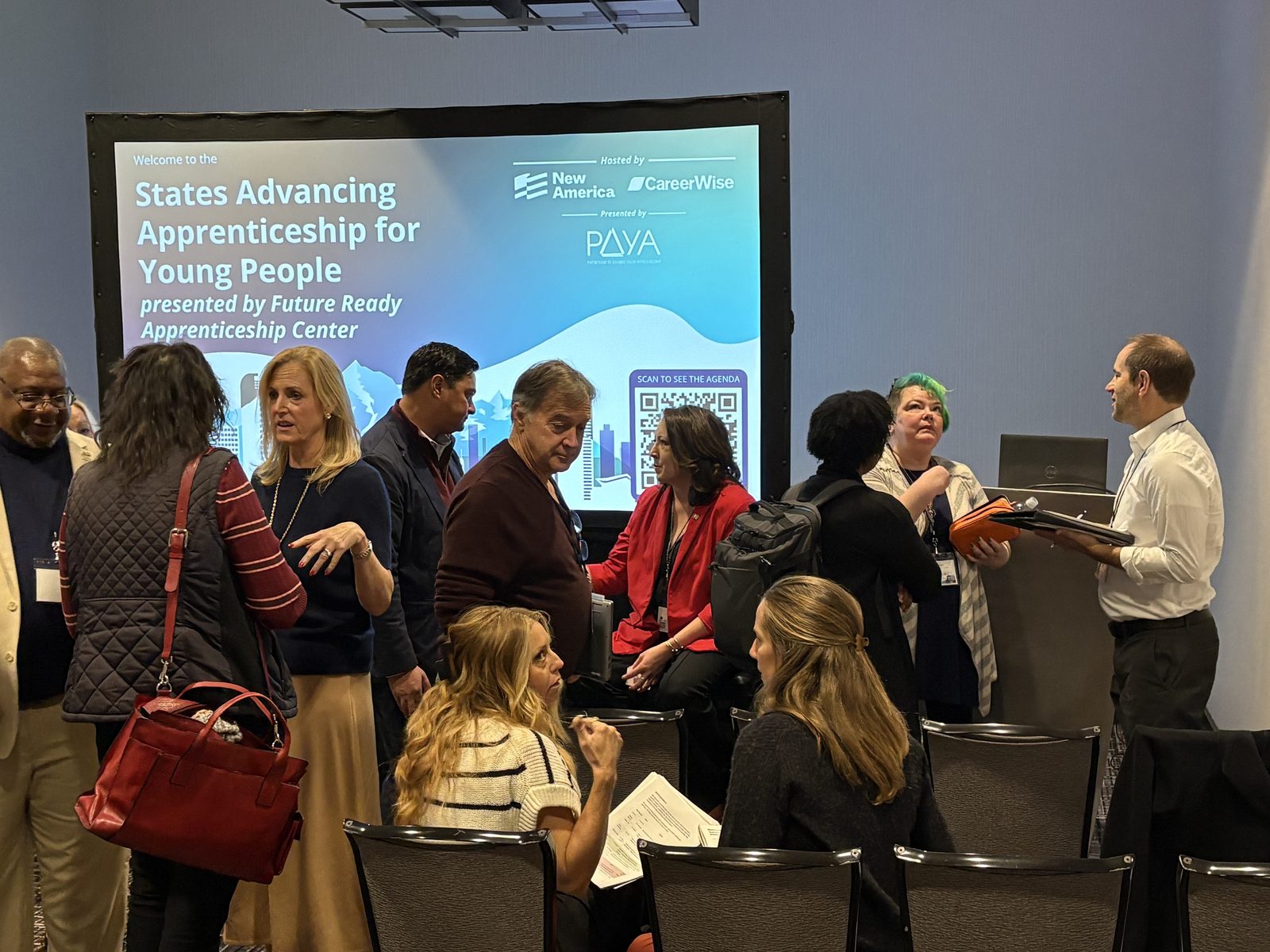
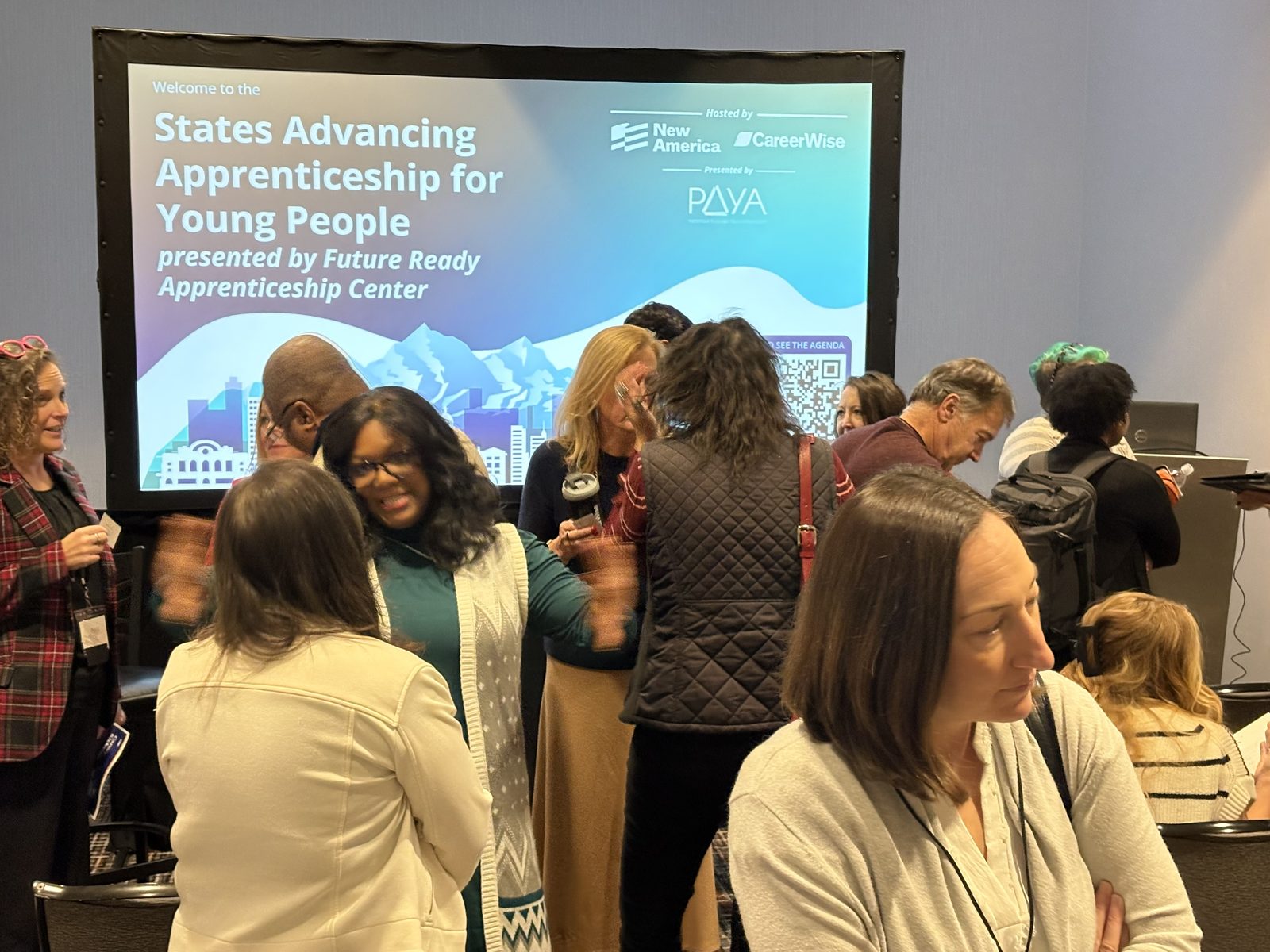
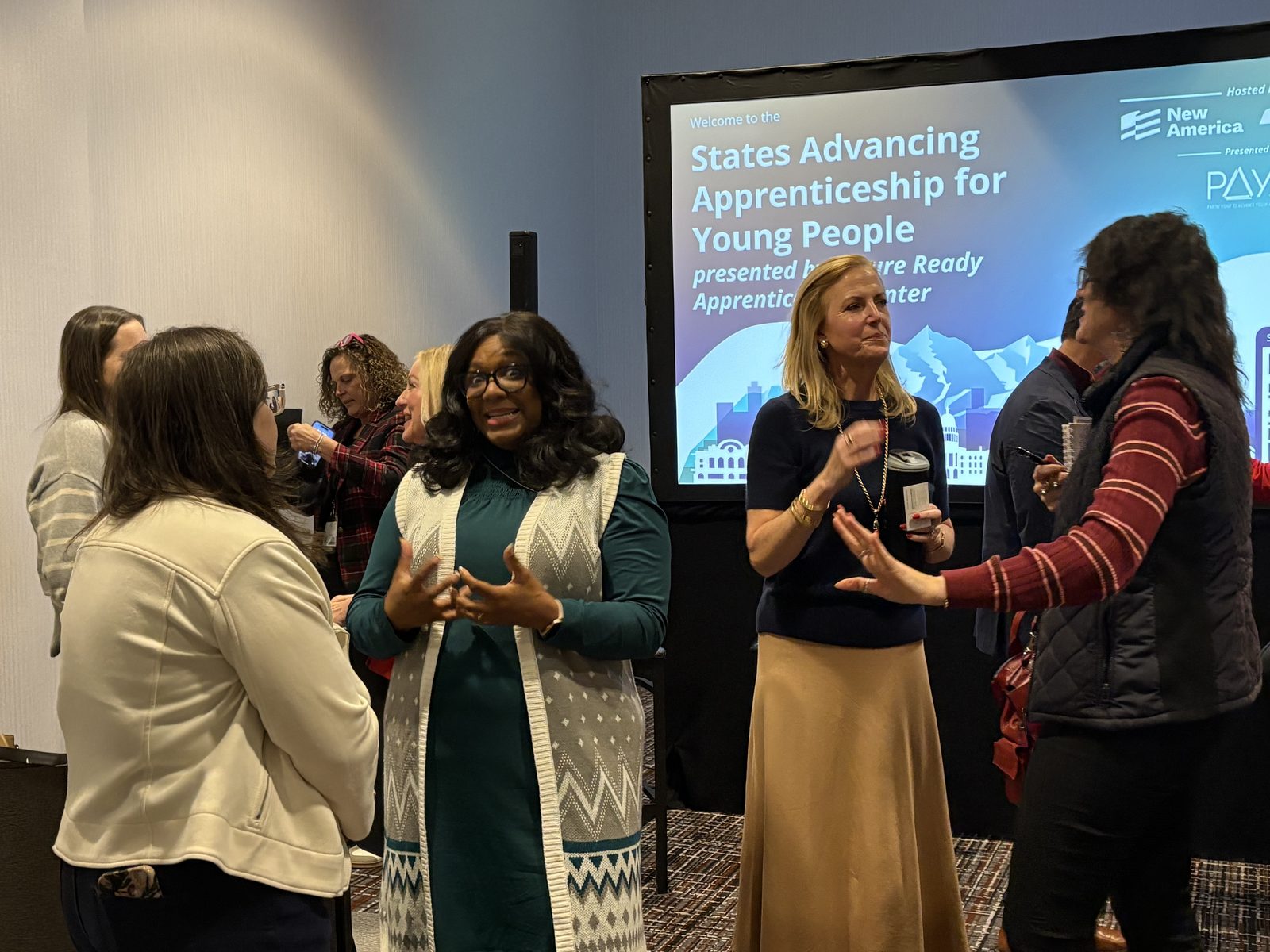
Last week in Denver, I moderated a session at the National Youth Apprenticeship Summit on how states are advancing apprenticeship for young people. It drew on the work of the Future Ready Apprenticeship Center (the Center), a U.S. Department of Labor-funded initiative in which CareerWise USA is supporting ten states (Alabama, Arizona, Kansas, Maine, Massachusetts, North Carolina, Ohio, Tennessee, Utah, and Virginia) as they build state strategies to expand Registered Apprenticeship for young people.
Evan Rosenberg of the U.S. Department of Labor’s Employment and Training Administration opened with the Administration’s goal of one million new apprentices, the bipartisan history of apprenticeship, and why young people are central to reaching that goal. He pointed states to three recent federal policy documents:
- Training and Employment Notice (TEN) 05-26, the Framework for Effective Pre-Apprenticeships.
- Training and Employment Guidance Letter (TEGL) 05-25, Maximizing Innovation in WIOA Programs, which lets states waive the default 75/25 split of WIOA funds for young people (out-of-school vs. in-school) and move to 50/50, so more dollars can support students still in school, including in pre-apprenticeship and Registered Apprenticeship.
- TEGL 04-26, on using Workforce Innovation and Opportunity Act (WIOA) Governor’s Reserve funding. Governors can reserve up to 15 percent of WIOA formula funds, and DOL explicitly encourages using it to expand Registered Apprenticeship, pre-apprenticeship and industry sector partnerships.
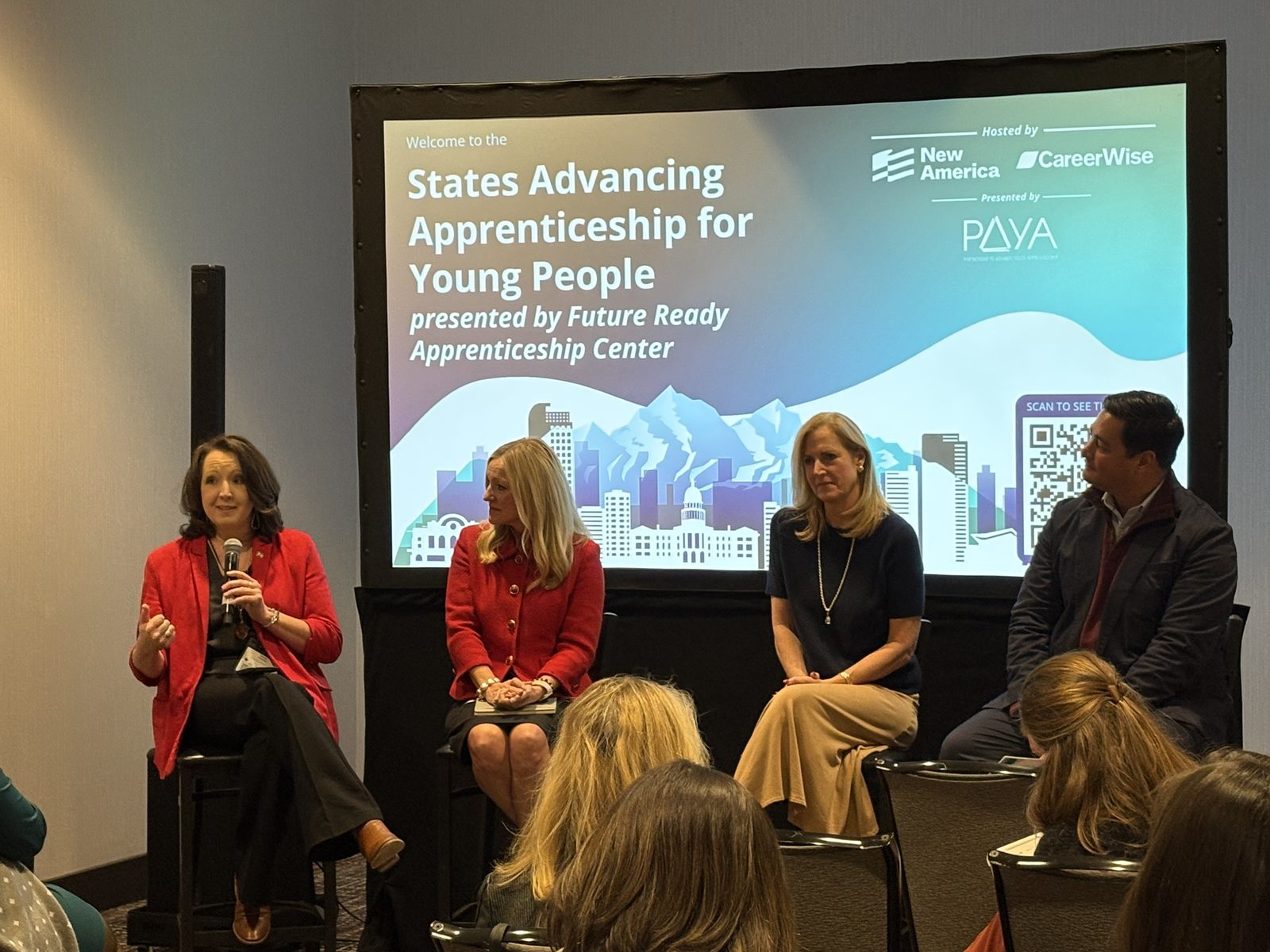
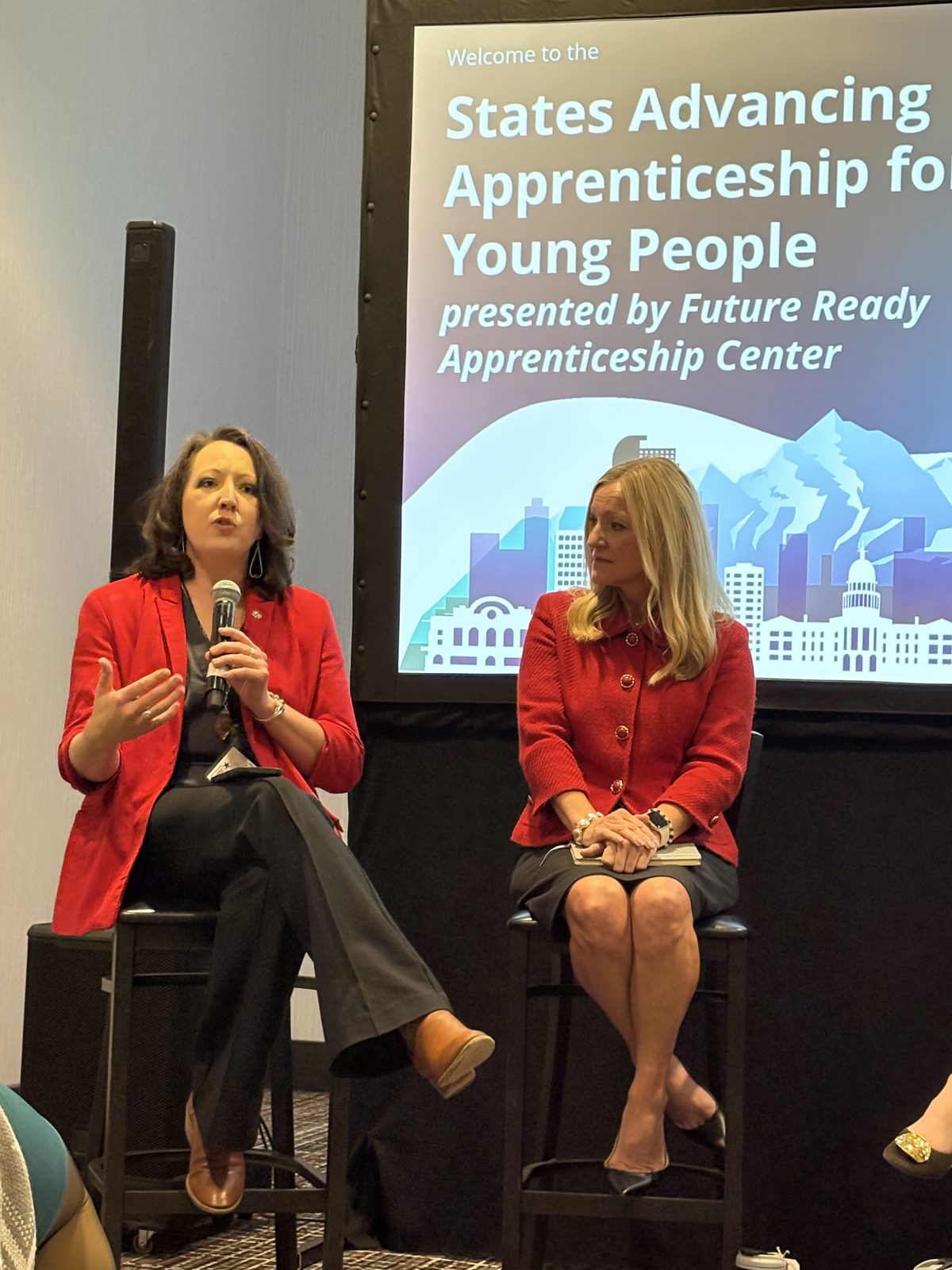
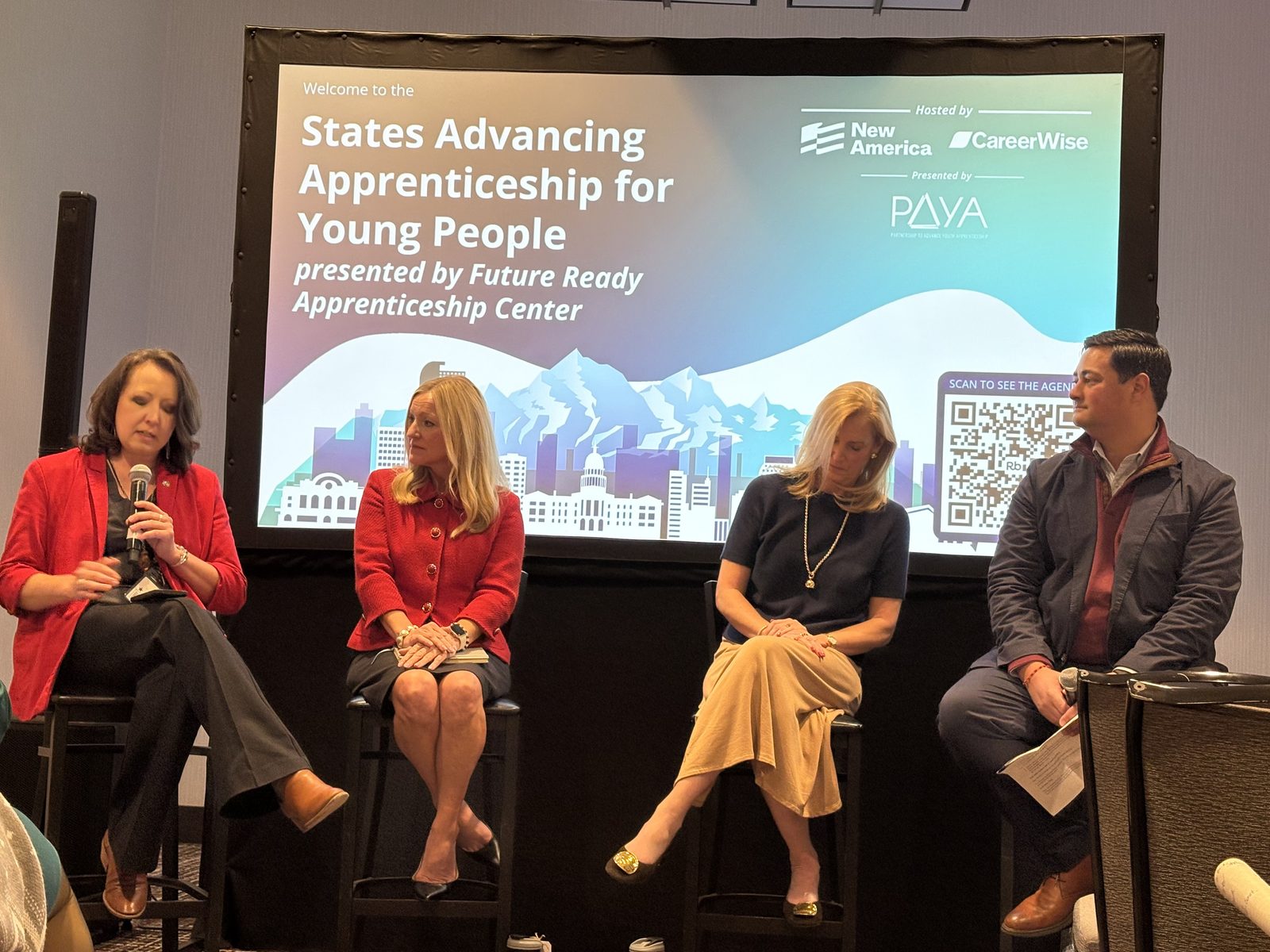
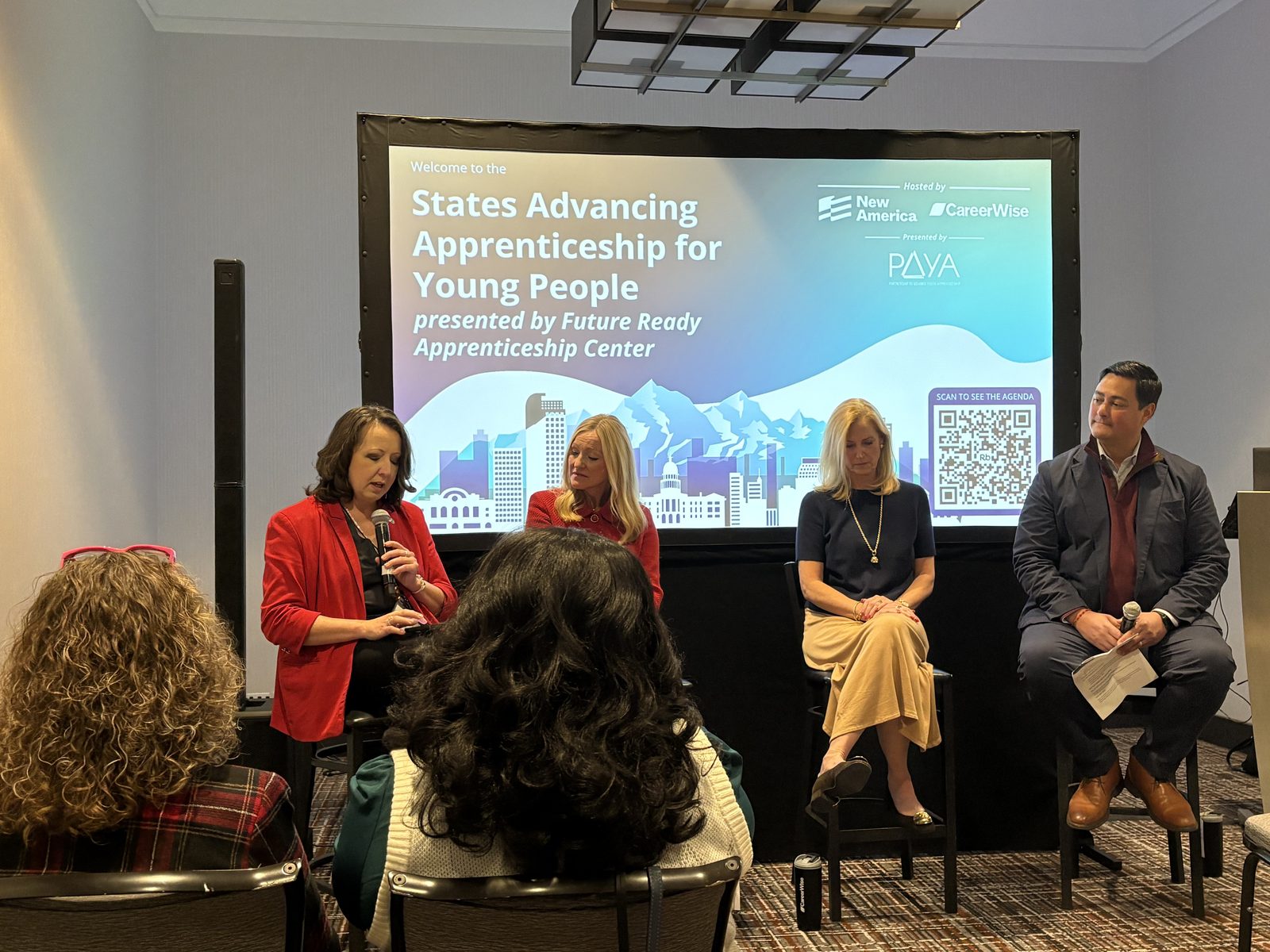
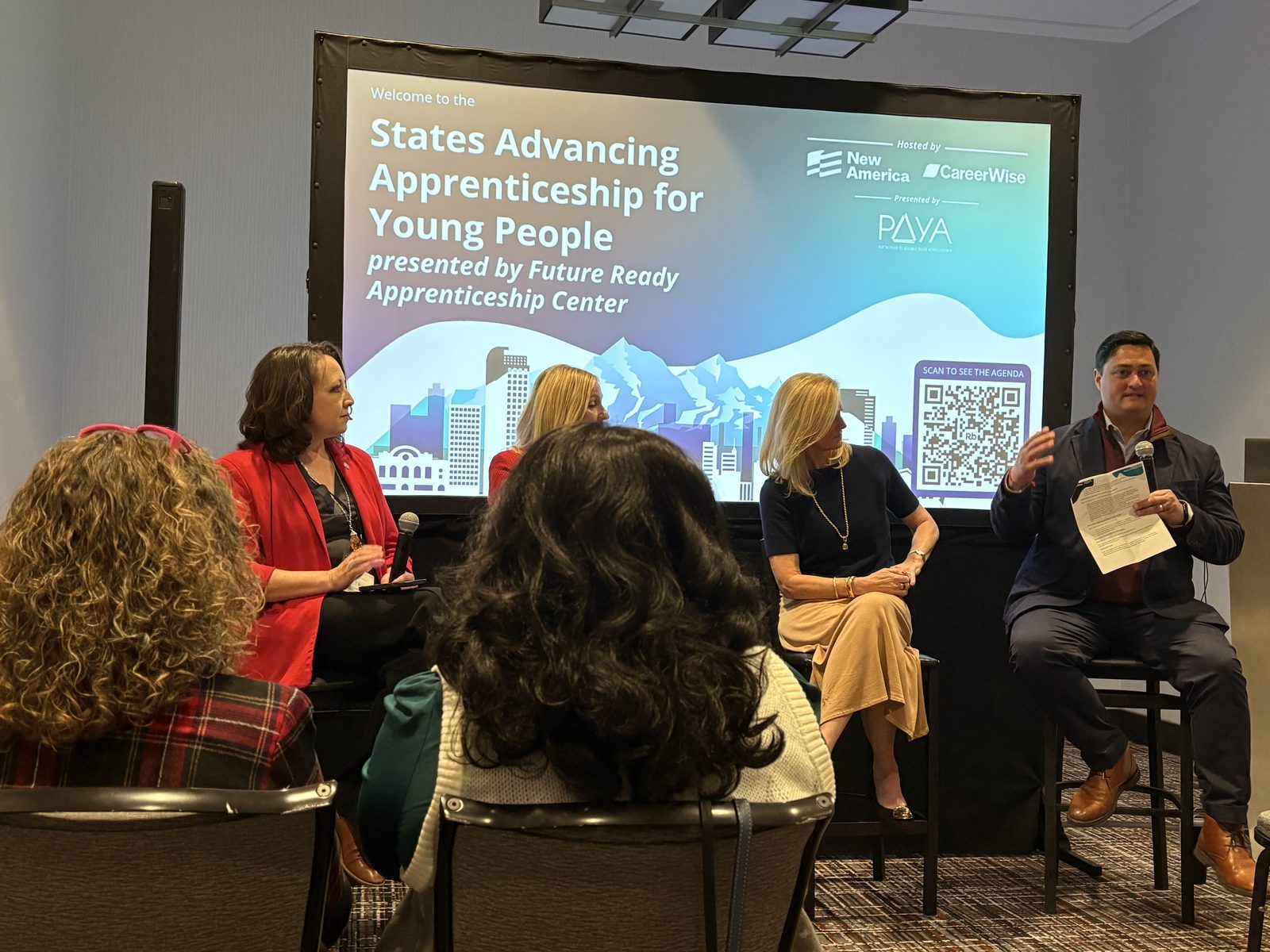
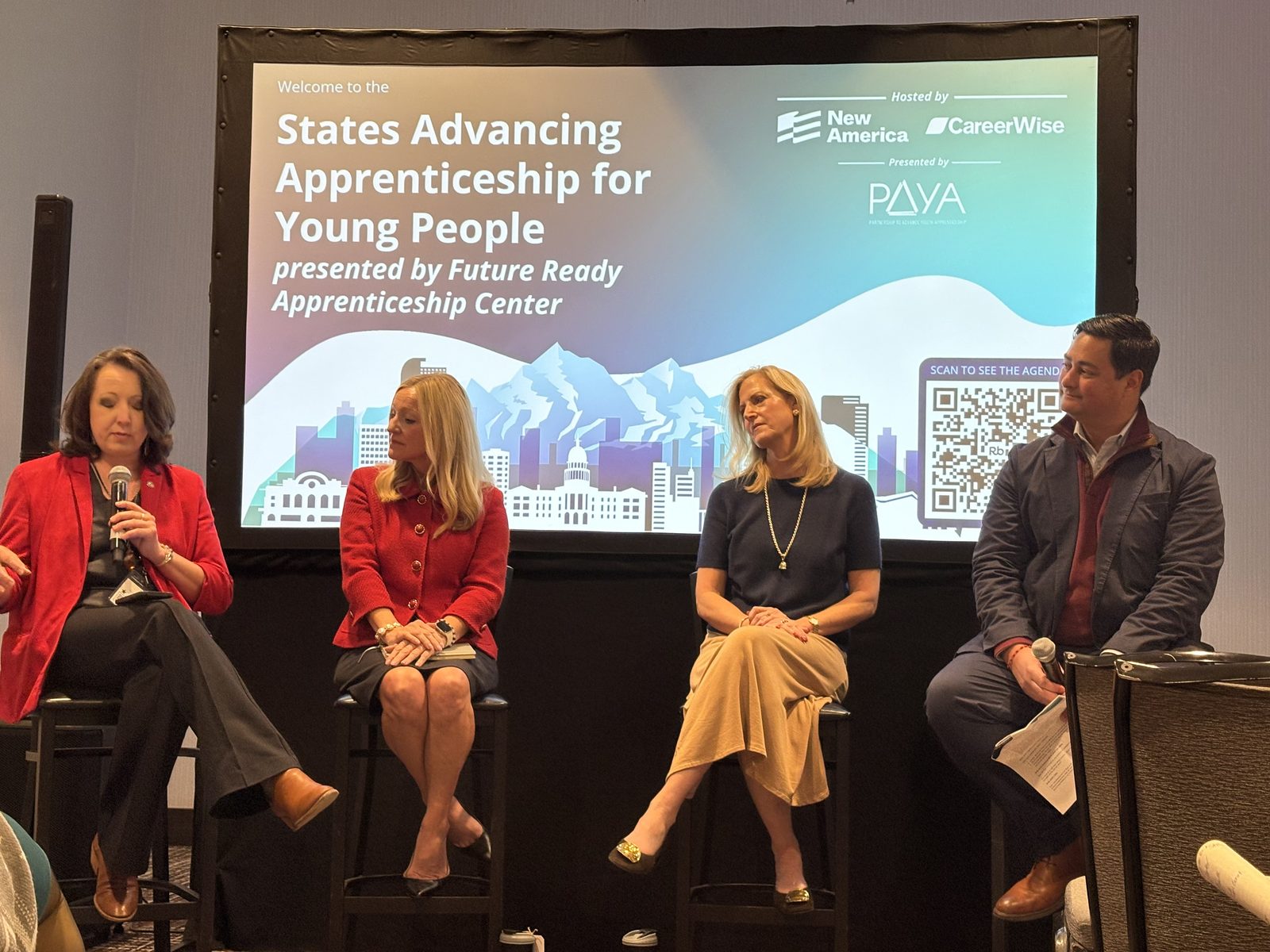
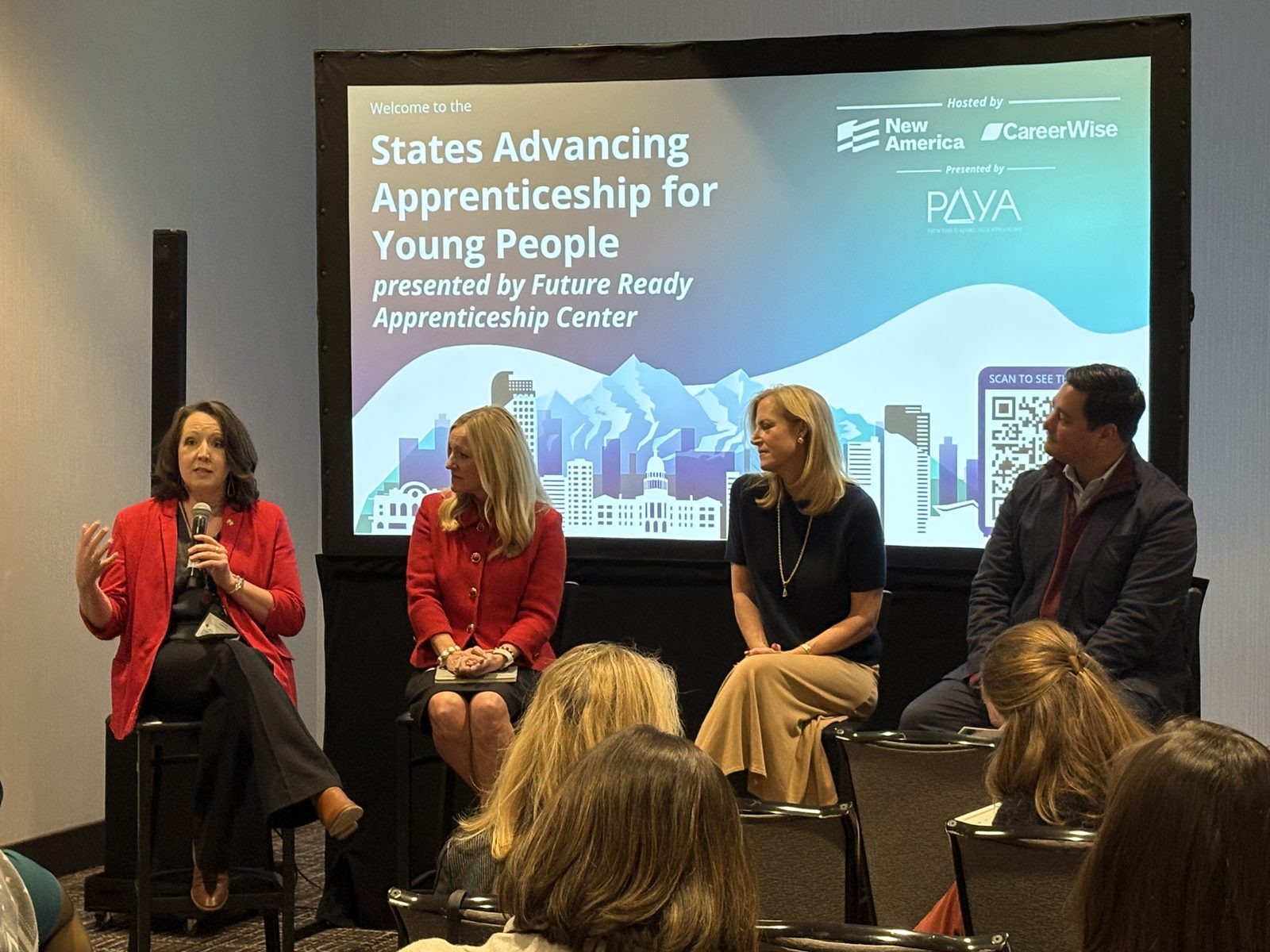

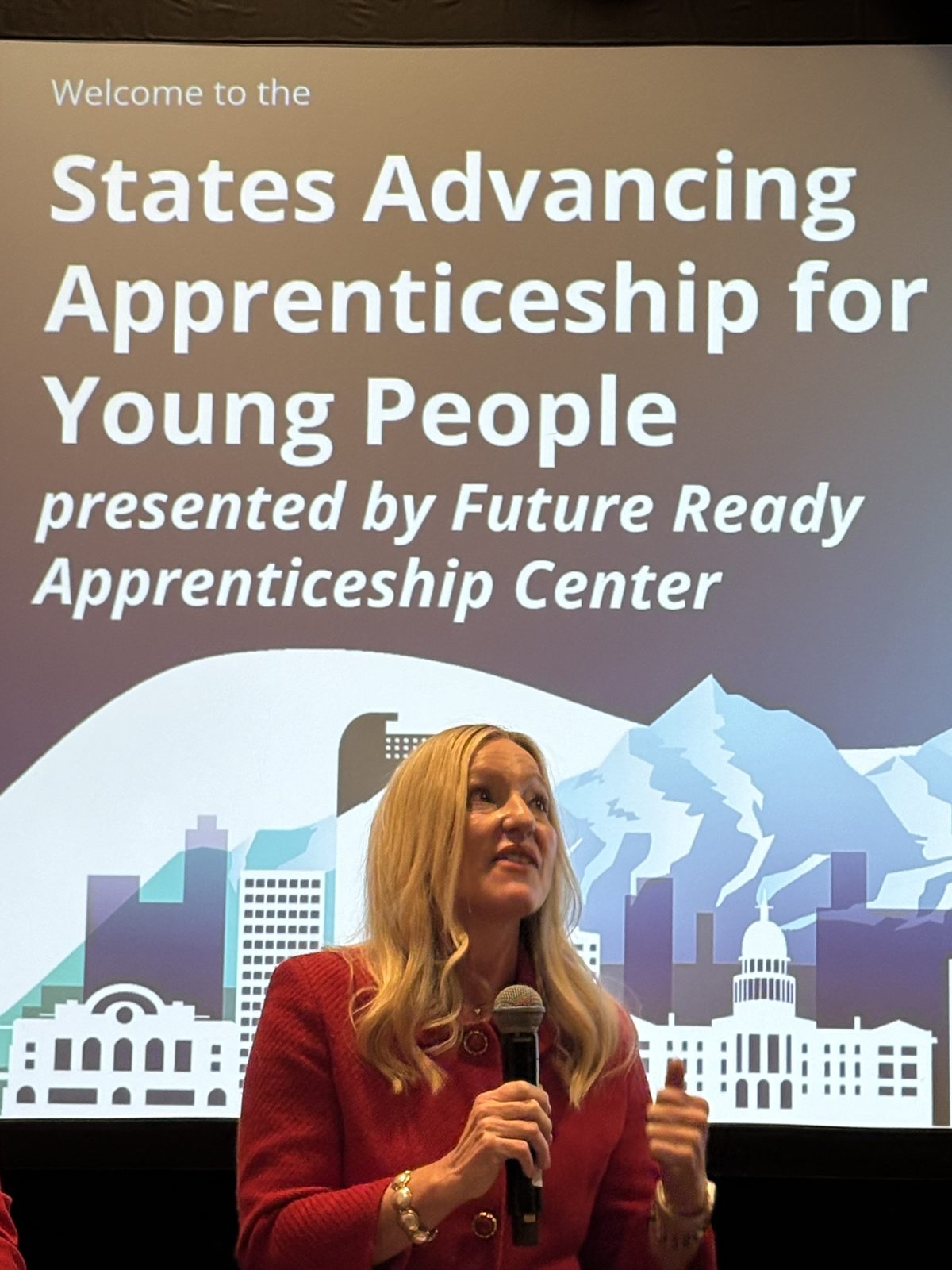
I then moderated a conversation with three state leaders: Shonda Anderson, Director of the Kansas Office of Registered Apprenticeship at the Kansas Department of Commerce; Meredith Smith, Director of the Alabama Office of Apprenticeship; and Caroline Sullivan, Executive Director of the North Carolina Business Committee for Education. Three lessons stood out.
Leverage governor leadership. North Carolina Governor Josh Stein made apprenticeship and pre-apprenticeship for young people a priority and directed significant WIOA Governor’s Reserve funds toward expanding those opportunities. Caroline’s organization is an employer-led intermediary connected to the Governor’s office. It sits alongside ApprenticeshipNC and the community college system, and it is working toward a paid, credit-bearing route into an associate degree or a Registered Apprenticeship. When a governor sets the direction, resources and alignment follow.
Expand the tent. Meredith emphasized that this work can’t be carried by a small group. Alabama’s team brings together the high school and career and technical education (CTE) systems, community colleges, and the workforce system alongside the apprenticeship office, and it works to build understanding at every layer. The team includes both the state CTE director and a local district CTE leader. On the employer side, Alabama is building on its strong manufacturing partnerships by adding local chapters of the Federation for Advanced Manufacturing Education (FAME) across the state, so more employers across the manufacturing sector can get involved.
Be persistent and ask “why not?” Shonda reminded the room that many barriers are perceived rather than real. When someone says you can’t hire a young person under 18, verify before accepting the answer. Kansas went to the state Department of Insurance and got a letter spelling out what is allowed. Her other point: Registered Apprenticeship for young people is Registered Apprenticeship, not a part-time job. Kansas is also training counselors, administrators, and CTE teachers, and developing a combined WIOA and Perkins State Plan to braid those funding streams. Similarly, Alabama is drawing on anchor employers like Airbus and a “mythbusting” document to help employers understand what’s possible. Their early strategies include connecting employers with child labor inspectors to dispel myths from the source.
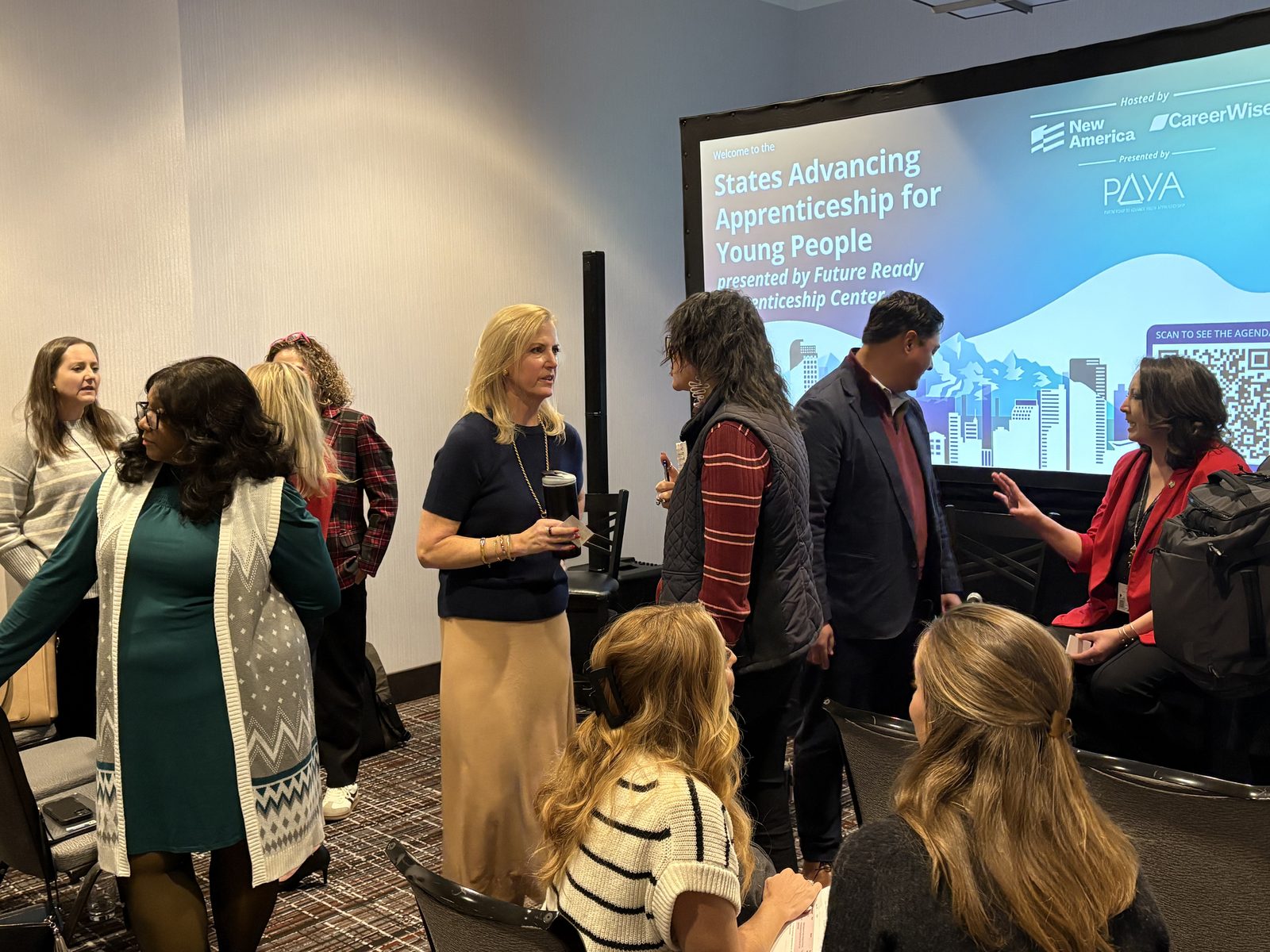
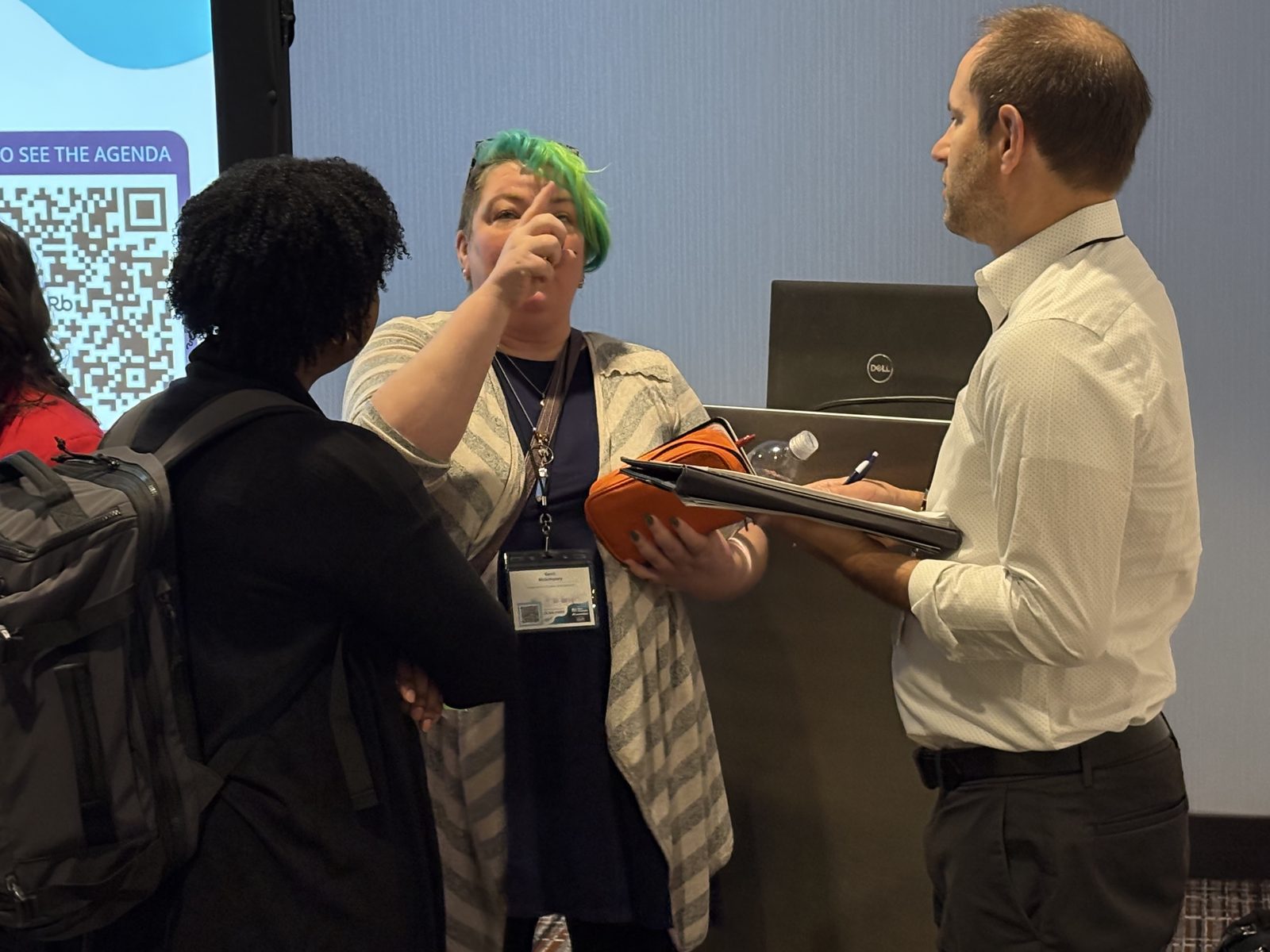
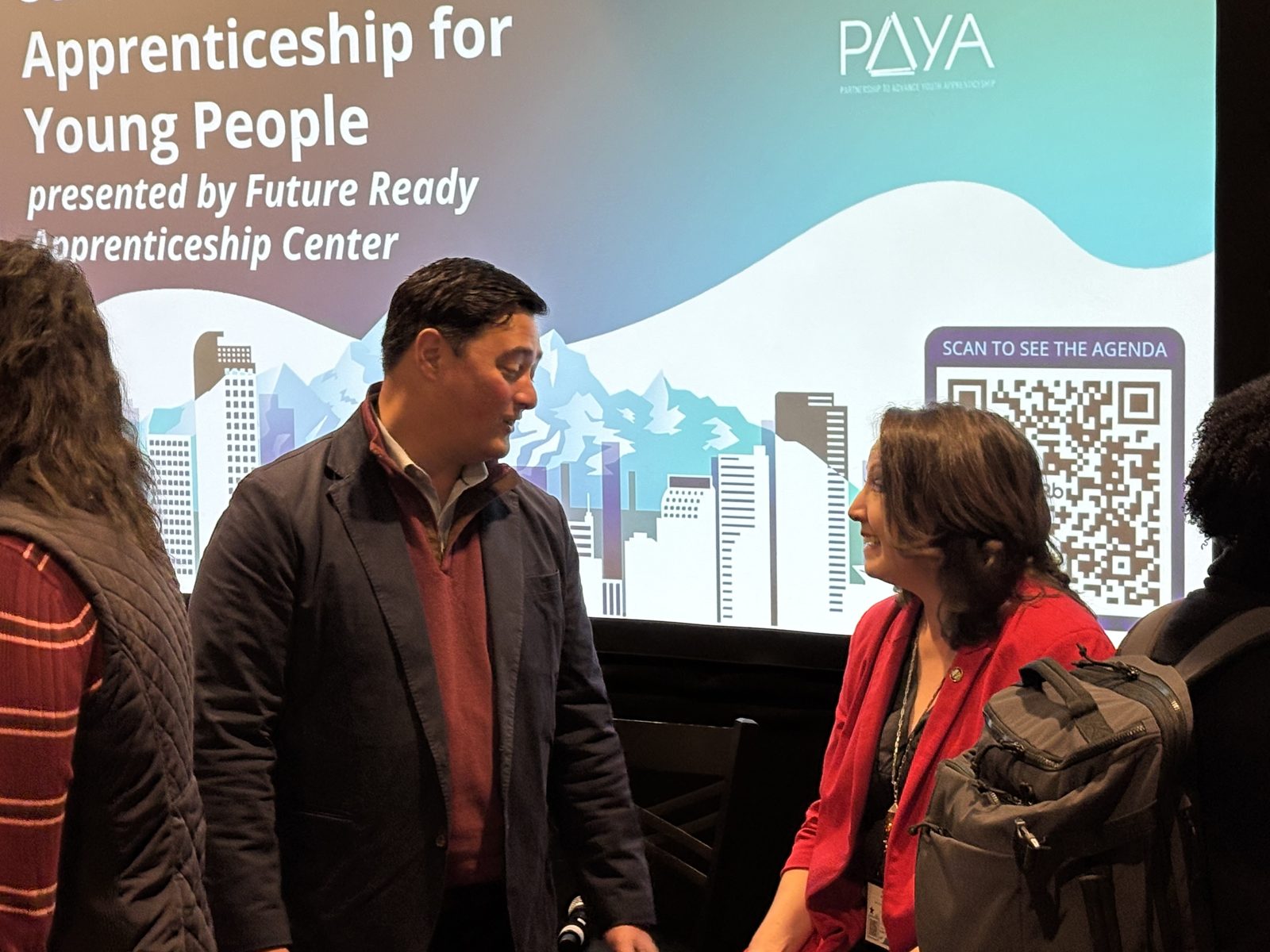


These lessons echo what we are hearing across all ten Center states. Advanced manufacturing, healthcare, construction trades, education, technology and cybersecurity, and the public sector are the most common sectors of focus. States are working through employer misconceptions and liability concerns, rural access and transportation, and data that lives in separate systems. Their most common requests are for help connecting education and workforce systems and building pathways from pre-apprenticeship into Registered Apprenticeship.
The federal flexibility is there. States that pair it with strong leadership, a broad coalition, and a willingness to ask “why not?” will move fastest.
Learn more about the Future Ready Apprenticeship Center, or contact the team at futurereadycenter@careerwiseusa.org.