Kansas: Employers Are Knocking on the Schoolhouse Door
11.26.26
Snapshot
Kansas has set a goal of 10,001 apprentices by 2031, including 1,000 apprentices ages 16–17. The state already ranks at the top nationally for apprenticeship growth outside construction, but near the bottom for growth among 16- and 17-year-olds. Closing that gap is a shared priority: Registered Apprenticeship for young people appears in 10 different state strategic plans.
The Challenge
The usual pitch for Registered Apprenticeship for young people asks employers to take a chance on high school students. In Kansas, the harder barriers are structural. Employer–K-12 partnerships are difficult to set up and manage, workers’ compensation concerns keep some employers on the sidelines, and some major employers, such as Panasonic, won’t hire anyone under 18. On the education side, the Kansas State Department of Education (KSDE) has funding to support the work, but federal Perkins funding is in jeopardy.
The Shift: Employers Are Leading
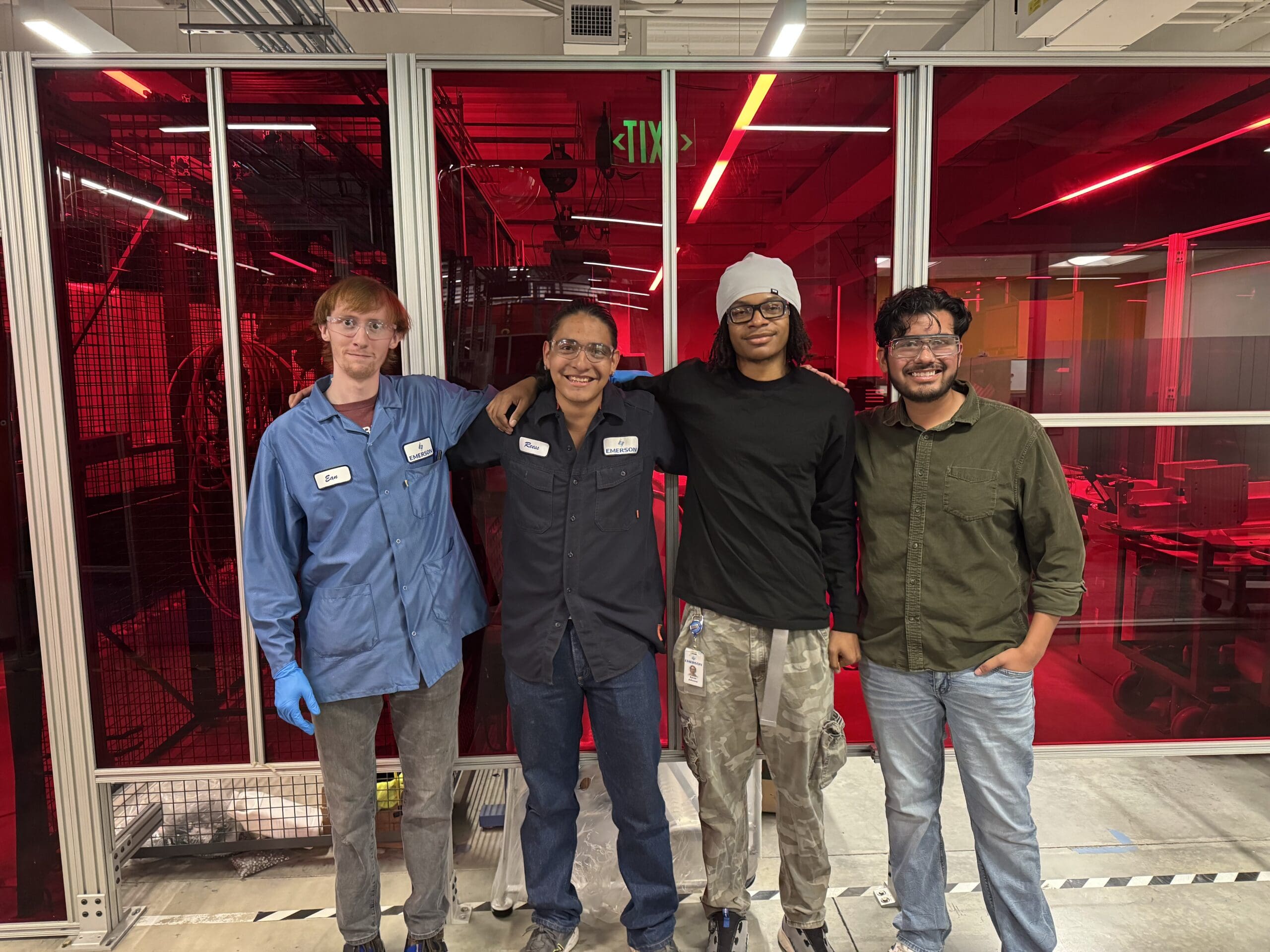
What sets Kansas apart is who’s driving demand. Textron Aviation is aggressively engaging K-12 schools, with an urgency the state’s marketing team summed up as “get on board or get out of the way.” Employers across the state’s priority sectors, from American Implement, a John Deere dealer in southwest Kansas, to members of the Associated General Contractors, are looking to high schools for their next workforce.
Proof Point: TCALC
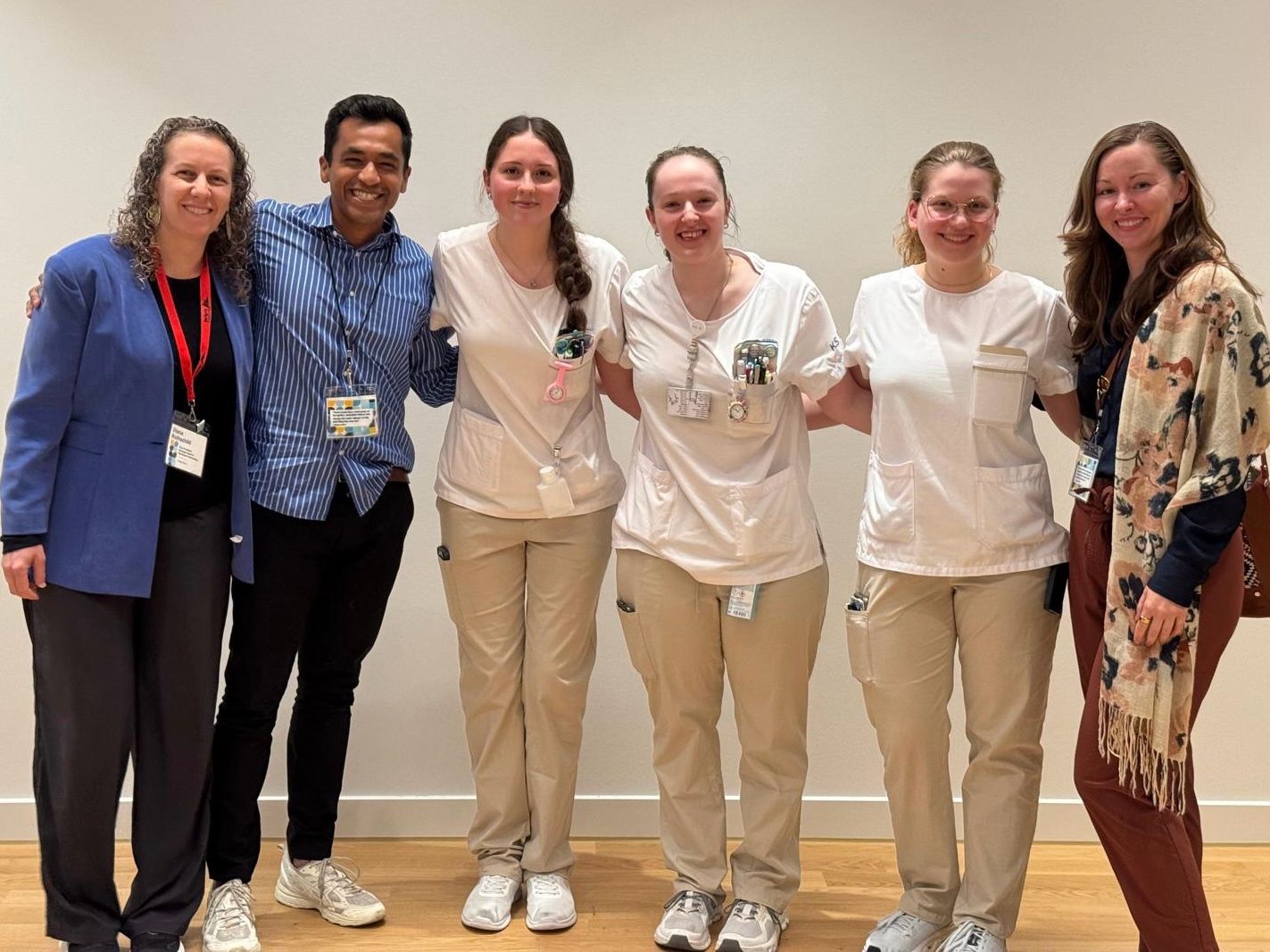
Topeka shows the model works. At the Topeka Center for Advanced Learning and Careers (TCALC), the Youth Teacher Apprenticeship Program places 16- and 17-year-olds in classrooms as teacher aides. Apprentices split their day between coursework at TCALC, often taught by Washburn University faculty, and a classroom alongside a veteran teacher, mostly in elementary schools. The program is a partnership of Topeka USD 501, Washburn University, Washburn Institute of Technology, and KSDE’s teacher licensure team. In August 2025, 20 students formally committed to the program at a signing ceremony.
The Path Forward
Kansas is concentrating on the sectors named in its Framework for Growth: Advanced Manufacturing, Construction, Healthcare, Education, and potentially Agriculture. It is starting where partnerships are strongest: Topeka, Kansas City, and Wichita. Next steps include a tool to bring KSDE fully on board and a plain-language explainer on how apprenticeship works, all aligned with the Kansas Department of Commerce and its “Love Kansas” campaign.
Takeaways
- In Kansas, the question isn’t whether employers want young talent, it’s whether schools and systems can keep up. That flips the familiar story from “please hire our apprentices” to “employers are already at the door.”
- The real barriers are structural, not interest-based: K-12 partnership logistics, workers’ compensation questions, and uncertain federal Perkins funding shape the pace more than employer demand does.
- TCALC in Topeka proves the model at the classroom level: 20 students signed on in August 2025, built on a four-way partnership between the school district, Washburn University, Washburn Institute of Technology, and the state’s teacher licensure office.
- Kansas is scaling deliberately, starting in Topeka, Kansas City, and Wichita, with a clear sector roadmap (advanced manufacturing, construction, healthcare, education, and potentially agriculture) to guide what comes next.