Virginia Is Already Building It. Now It’s Time to Scale.
05.12.26
When Governor Abigail Spanberger took office, she didn’t wait long to make her workforce priorities clear. In her inaugural address, she highlighted the need to expand apprenticeship opportunities across the Commonwealth. Virginia Works, the state apprenticeship agency, is delivering on that vision — building new registered apprenticeships for both youth and adults, developing pre-apprenticeship standards, and now joining the Apprenticeship America cohort of the federally funded Future Ready Apprenticeship Center to accelerate the work.
Virginia’s selection reflects a state that has already done the hard foundational work and is positioned to scale. The question isn’t whether Virginia can build youth apprenticeship — it demonstrably can. The question is how to take what’s working in pockets and make it work everywhere.
An Ecosystem Built into Schools
What makes Virginia’s approach distinctive is how deeply its apprenticeship programs are embedded in the K-12 system. Three large school districts — Fairfax County Public Schools, Roanoke County Public Schools, and Stafford County Schools — are related technical instruction providers and program sponsors. Hanover Center for Trades & Technology, Wise County Career & Technical Center, and Roanoke Technical Education Center round out a network of school-based providers that deliver hands-on instruction aligned directly to apprenticeship standards. That means schools have co-ownership of outcomes, and don’t just play a supporting role.
“Virginia has something rare: K-12 districts that are actual program sponsors, not just partners,” said Ryan Gensler, Executive Vice President at CareerWise. “That level of institutional buy-in is hard to build, but it creates a foundation for real scale. The work ahead is about extending that model across the Commonwealth and making sure every student, rural, urban, or anywhere in between, has a clear path to meaningful career opportunities.”
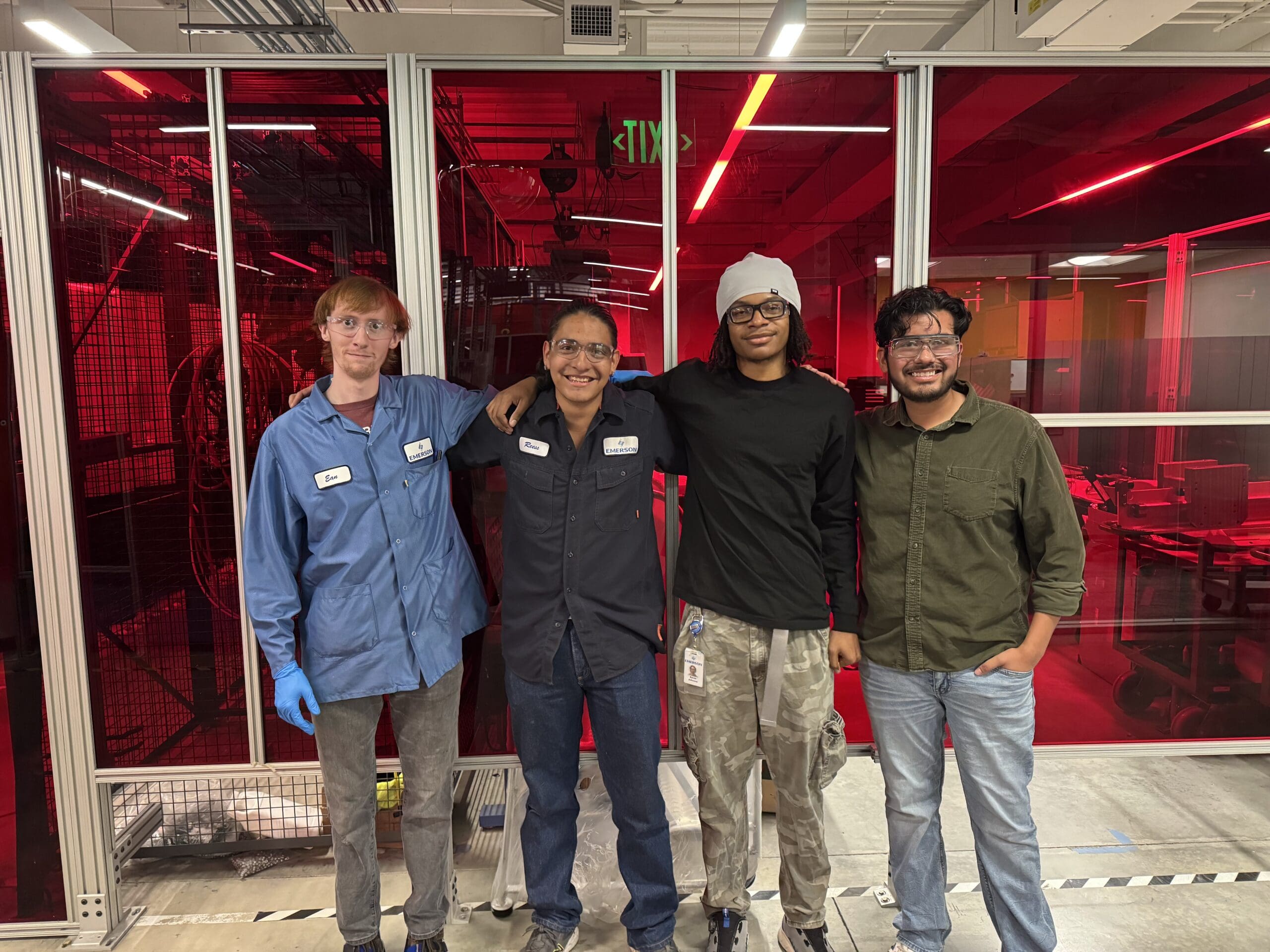
Virginia currently has 96 active Youth Registered Apprenticeship sponsors. Programs span electrical, HVAC, plumbing, carpentry, sheet metal, culinary, welding, education, and automotive pathways — sectors where employer demand is strong and the training infrastructure already exists. The largest sponsors maintain active cohorts of roughly eight youth apprentices on average, with anchors like G.J. Hopkins Lacy, Varney, Inc., Hotel Roanoke & Conference Center, and G&H Contracting demonstrating that these programs can run consistently and serve growing cohorts. at scale.
The Commonwealth also has a sophisticated Career and Technical Training (CTE) infrastructure, with trained career counselors and educators embedded in sponsor districts who guide students to and through apprenticeship pathways. Virginia’s K-12 readiness is strong — and the evidence backs that up. Programs are running. Schools are sponsoring. Counselors are advising. The infrastructure is real.
Trades Are Ready. Healthcare Is Next.
Virginia’s skilled trades and automotive Youth Registered Apprenticeship (RA) programs are built and operational. Electrical, carpentry, and HVAC programs have established industry partnerships and are ready to expand. In automotive — particularly meaningful in rural regions — demand for skilled mechanics is growing as vehicles become more technologically complex, and Virginia already has sponsors distributed across the Commonwealth.
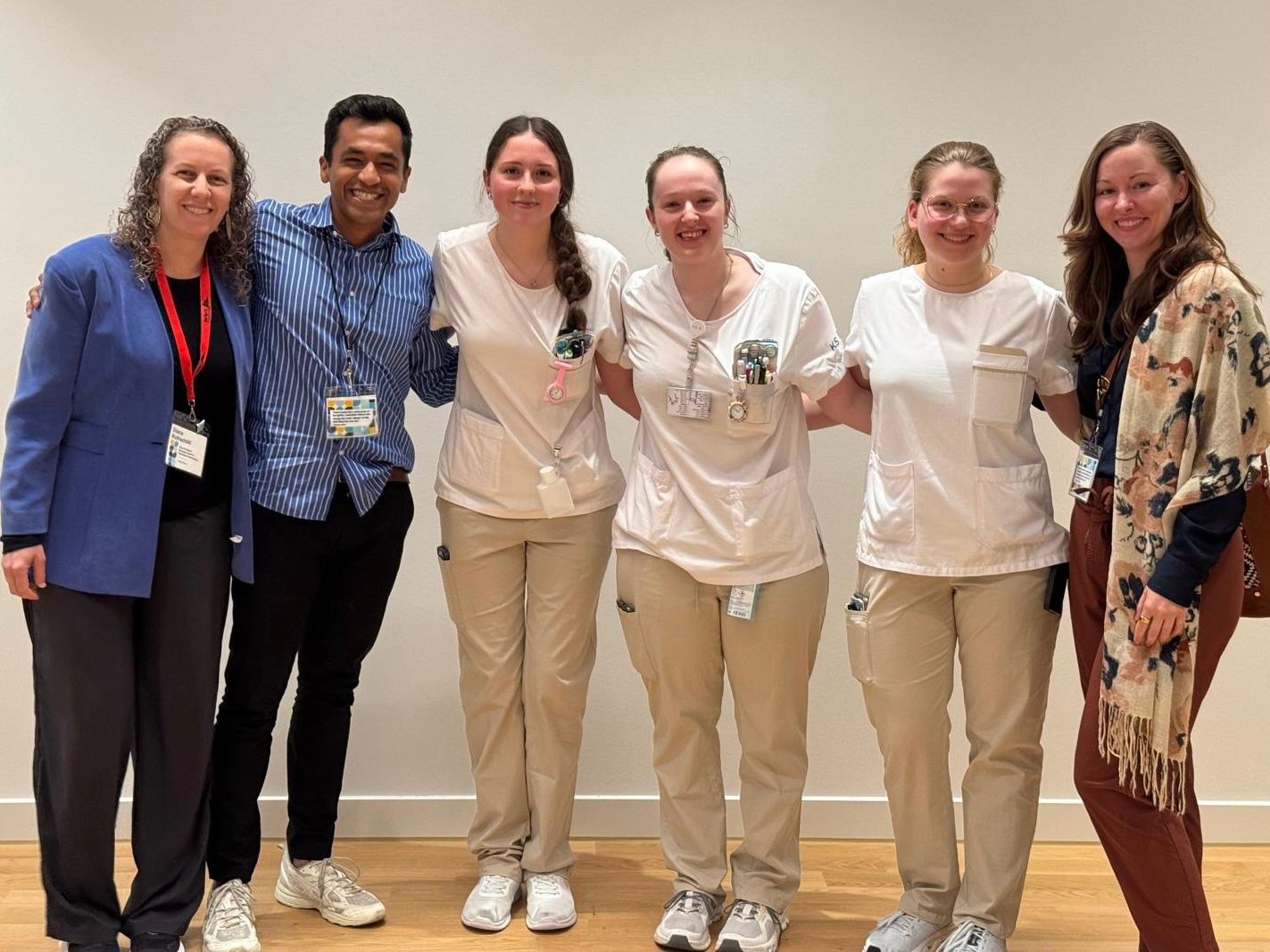
Healthcare is the next frontier. The Virginia Partnership for Health Science Careers, a statewide network of regional sector partnerships, is scaling statewide, and one of Virginia’s goals around the Rural Health Transformation program is the development of youth registered apprenticeship pathways that connect to existing sponsor and Related Technical Instruction (RTI) relationships particularly in rural Virginia.
Post-secondary institutions are increasingly part of the picture too. Virginia Western, Brightpoint, New River, and Southside Community Colleges all deliver related technical instruction in priority sectors. Multiple community colleges are apprenticeship intermediaries, including Danville Community College and Tidewater Community College. Virginia’s ambition is to expand this model, by encouraging post-secondary attendance and completion alongside apprenticeships, and formalizing credit articulation agreements so that a student’s apprenticeship experience is formally recognized and applied toward a degree.
What Still Needs to Be Built
Virginia is candid about the areas where capacity and access remain uneven. Regional capacity is uneven — the programs that work well in some areas haven’t yet been replicated in others. Mentor bandwidth is a real constraint within sponsoring employers. Transportation and scheduling challenges, particularly for rural youth with longer commutes, create dropout points that supportive services like travel stipends and coaching can address but haven’t been deployed on a consistent scale. Also, while articulation agreements between CTE and community college credentials exist in some sectors, they remain inconsistent across the system.
The state also intends to create a unified statewide youth and pre-apprenticeship plan — one that brings together employers, schools, community colleges, and workforce agencies under a shared framework with clear governance and accountability. Though Virginia Works has the relationships and the track record to anchor that plan, it will benefit from the technical assistance and peer-learning infrastructure the Apprenticeship America cohort provides, drawing on what’s working in other states and pressure-testing it against Virginia’s specific challenges, to build it well.
The goal Governor Spanberger and Virginia Works share, establishing quality work-based learning experiences for every high school student in the state, is ambitious. It requires not just more programs but a true network of sponsors and RTI providers that is responsive to industry needs, accessible to students in every region, and supported by the wraparound services that help young people stay and succeed.
Virginia Works Commissioner Nicole Overley offered her perspective on what this moment represents: “Virginia Works is excited to join the CareerWise Center because pre- and youth apprenticeship is a top statewide priority. We’ve built strong momentum in recent years, and this partnership will help accelerate our progress and expand high-quality opportunities for young people.”
What’s Next
As part of the Apprenticeship America cohort, Virginia will work with CareerWise and national partners to develop a comprehensive statewide youth apprenticeship plan, strengthen regional capacity, expand its healthcare pipeline, and formalize the articulation pathways that turn apprenticeship into a genuine on-ramp to postsecondary credentials. The foundation is set, the commitment is firm, and Virginia is now poised to transform momentum into meaningful statewide impact.
Learn more about the Future Ready Apprenticeship Center and the Apprenticeship America cohort in our press release.